
Hesperantha
Hesperantha
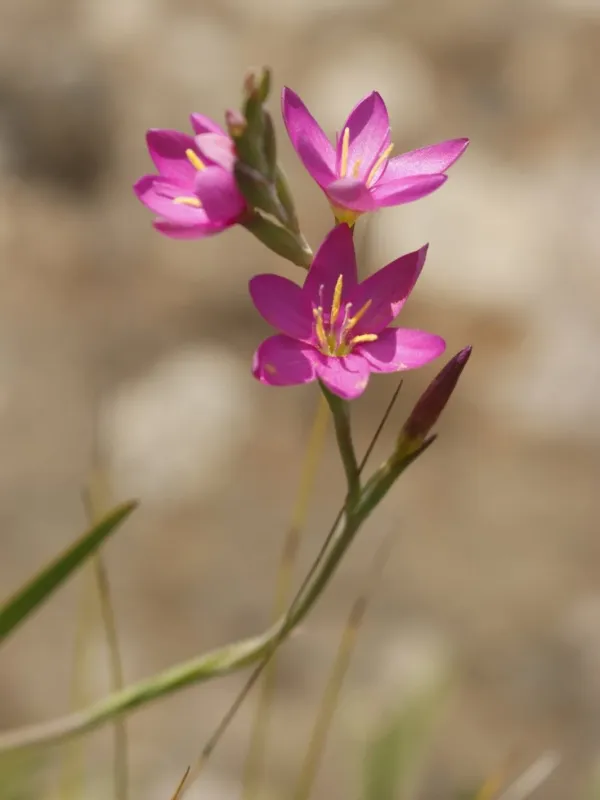
Description
Sowing dates
Hesperantha corms should be planted in early spring once the danger of frost has passed and the soil has warmed sufficiently. In warmer climates, planting can also take place in the autumn, allowing the plants to establish roots before winter.
The planting depth is critical and should range from 5 to 8 centimeters depending on the size of the corm. A spacing of about 10 to 15 centimeters between plants is recommended to promote optimal airflow and prevent overcrowding in the flower bed.
In cooler temperate regions, it is advisable to start the corms in pots indoors. This method ensures an early start for the growing season and protects the young, vulnerable sprouts from sudden temperature drops or harsh weather conditions.
Select a location that receives full sun for the majority of the day. Exposure to ample sunlight is essential for the Hesperantha to produce its characteristic vibrant blooms and to maintain sturdy, upright foliage throughout its life cycle.
After planting, lightly water the soil to settle it around the corms. Mulching with organic material can help regulate soil temperature and moisture levels, especially during the initial stages of root development in the spring.
Growing requirements
Hesperantha, a genus belonging to the Iridaceae family, originates primarily from South Africa. It thrives in environments that replicate its native habitat, specifically requiring high light intensity and excellent drainage to flourish.
The ideal soil type is a light, well-draining sandy or loamy mix with a neutral to slightly acidic pH. Poor drainage is the most significant limiting factor, as waterlogged conditions quickly lead to corm rot and plant failure.
During the active growth phase, keep the soil consistently moist but never waterlogged. As the plant begins to transition into dormancy after flowering, gradually reduce watering to allow the corms to mature and harden off properly for the next cycle.
Fertilizing with a balanced, low-nitrogen formula during the early spring encourages both vegetative growth and flower development. Avoid heavy nitrogen applications, as this promotes excessive foliage at the expense of floral display.
- Requires at least 6–8 hours of direct sunlight.
- Needs porous, well-draining soil structures.
- Susceptible to rotting in stagnant, heavy water conditions.
Main diseases and pests
The primary concern for Hesperantha cultivation is the development of fungal rot in the corms, typically caused by excess moisture or poor soil drainage. Ensuring proper site selection is the best preventative strategy against these diseases.
Powdery mildew can occasionally appear on the leaves if humidity levels are high and air circulation is poor. Proper spacing during planting and the use of fungicides can help mitigate the spread of this common garden fungal issue.
Thrips are the most common insect pests, often feeding on the succulent leaf tissues and developing flower buds. Regular monitoring and the application of suitable insecticides or horticultural soaps can keep these infestations under control.
Soil-dwelling pests like wireworms or grub larvae can sometimes damage the underground corms. Integrating pest control measures into the soil preparation process is recommended for those gardening in areas with high insect pressure.
Sanitation is key to a healthy Hesperantha bed. Always remove and destroy any infected plant material immediately to prevent the build-up of pathogens in the soil, and avoid planting the same genus in the same spot for consecutive years.