
Gladiolus tristis
Gladiolus tristis
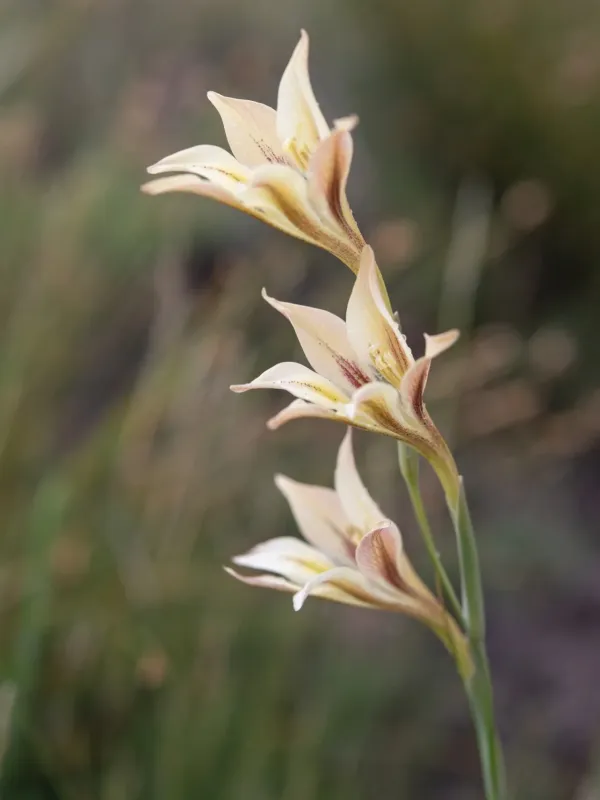
Description
Sowing dates
Planting of Gladiolus tristis corms in the open ground is performed in spring once the soil temperature consistently reaches 10-12 degrees Celsius. It is crucial to wait until the risk of late frost has passed to prevent damage to sensitive shoots.
In regions with milder climates, autumn planting is possible, provided the corms have enough time to establish roots before winter. Proper mulching is essential in this scenario to protect the underground parts from freezing temperatures.
The planting depth depends on the size of the corm, typically ranging from 8 to 12 centimeters. Placing the corms at the correct depth ensures stable growth and adequate support for the future flower stalk.
Spacing between plants should be approximately 15 to 20 centimeters to allow for optimal airflow. This practice significantly reduces the risk of fungal infections within the foliage during the growing season.
Propagation can be achieved through cormlets or seeds. When using seeds, it is recommended to start them in trays indoors during late winter, ensuring the seedlings are strong enough for transplantation when spring arrives.
Growing requirements
Gladiolus tristis belongs to the Iridaceae family and originates from South Africa. It thrives in well-lit, sunny areas that are shielded from strong winds capable of damaging the slender flower stems.
The ideal soil pH for this species ranges from 6.0 to 7.0. The soil must be well-drained, as the plant is highly sensitive to waterlogged conditions which can easily lead to corm rot in heavy soils.
For the best results, gardeners should use light, sandy or loamy soils rich in organic matter. Amending the soil with compost before planting improves texture and ensures sufficient nutrient availability for the plant.
The plant is distinguished by its unique fragrant flowers, which emit a pleasant scent especially during evening and night hours. This makes it a popular choice for gardens specifically designed to be enjoyed after sunset.
During the active growth phase, the plant requires consistent but moderate watering. Drought periods should be carefully managed to maintain soil moisture, preventing stunted development or deformation of the blooms.
Main diseases and pests
The most significant threats to Gladiolus tristis are fungal diseases, including Fusarium wilt and soft rot. These conditions are exacerbated by excessive soil moisture and poor ventilation within the planting beds.
Thrips are common pests that feed on the sap of leaves and buds, causing significant cosmetic damage and reduced plant vigor. Regular monitoring and the application of insecticides are necessary to maintain healthy growth.
Spider mites may also appear, particularly during hot and dry spells. Maintaining adequate humidity around the foliage and using appropriate acaricides helps to keep these pests under control.
Wireworms can be detrimental as they burrow into the corms, leading to plant decline. Maintaining crop rotation and keeping the area free of weeds helps minimize the risk of these underground infestations.
Proper storage conditions are vital to prevent post-harvest disease. Corms should be inspected regularly during the dormant period to ensure that no rot or mold spreads from damaged specimens.
Harvesting
Corm harvesting takes place in autumn, once the foliage has started to turn yellow and the flowering cycle is complete. It is important to harvest before the onset of the first hard frosts.
Corms should be lifted carefully from the soil using a garden fork to prevent physical injury. Any damage to the outer skin provides an entry point for pathogens, reducing the lifespan of the storage material.
The stems should be trimmed back to a small base of about 2-3 centimeters before the corms are cleaned of residual soil. Harvesting on a dry day simplifies the cleaning process and ensures better initial conditions.
Drying is a critical step, requiring a warm and well-ventilated area for about three weeks. This curing process allows the corms to harden and prepares them for successful long-term winter storage.
Once dried, the corms should be stored in a cool, dry place with temperatures kept around 4-7 degrees Celsius. Periodically checking the stored batch helps to catch any early signs of rot, protecting the healthy stock.