
Gladiolus tenuis
Gladiolus tenuis
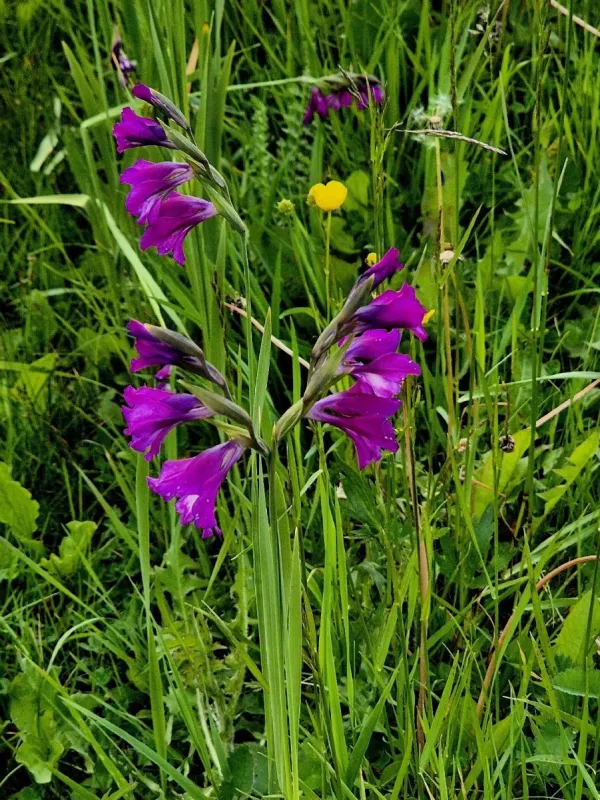
Description
Growing requirements
Gladiolus tenuis is a perennial herbaceous plant belonging to the Iridaceae family. Unlike modern hybrids, this species is noted for its delicate appearance, thin stem, and graceful, narrow leaves, making it a valuable addition to naturalistic gardens.
The plant originates from the meadows and woodland edges of Eastern and Central Europe. In cultivation, it thrives in environments that mimic these natural habitats, favoring sites with abundant indirect sunlight and well-aerated, fertile soil.
Soil requirements for Gladiolus tenuis emphasize the importance of drainage. The plant is prone to root rot in waterlogged conditions, thus planting in sandy loam or soil amended with organic matter and drainage materials is recommended.
Climate adaptability is moderate; the species prefers cool to temperate conditions during its growing phase. In regions with harsh winters, bulbs should be protected with mulch or lifted and stored in a cool, dry place to ensure successful regeneration in the following season.
Agronomic practices should focus on maintaining consistent soil moisture during the spring growth flush while avoiding excessive water. Fertilizer application should be targeted, emphasizing nitrogen in the early vegetative stage and phosphorus for bulb maturation later in the cycle.
Main diseases and pests
Fungal diseases represent the primary threat to the health of Gladiolus tenuis. Fusarium wilt and Sclerotinia rot are common issues, often triggered by poor ventilation and high humidity, necessitating the use of fungicides during the dormant storage period.
Thrips are the most damaging insect pests for this species. They feed on the sap of leaves and buds, causing streaking and stunted growth. Effective control involves the application of systemic insecticides at the first sign of infestation.
Soil-dwelling pests, such as wireworms, can damage the corms, leaving them susceptible to secondary bacterial infections. Soil preparation with appropriate insecticidal treatments prior to planting is a standard protective measure.
Good hygiene practices, such as removing infected plant debris immediately, are essential to stop the spread of pathogens. Furthermore, avoiding overcrowding during planting promotes better airflow and reduces the risk of leaf diseases.
Successful bulb management requires storing harvested corms in well-ventilated, cool conditions. Regularly inspecting the stored material for signs of decay or mite activity is crucial for maintaining the vigor of the plant stock for the next year.