
Marsh gladiolus
Gladiolus palustris
Description
Growing requirements
Marsh gladiolus (Gladiolus palustris) is a perennial flowering plant species within the Iridaceae family. This specific variety is known for its preference for wetland habitats, distinguishing it from traditional ornamental gladiolus hybrids.
The plant originates from European regions, primarily inhabiting moist meadows, fens, and swampy forest edges. It requires high humidity levels and thrives in environments where soil moisture remains consistent throughout the spring and summer seasons.
To cultivate this species successfully, growers must ensure a soil mix that is rich in organic matter and maintains moisture without becoming stagnant. Exposure to full sunlight is necessary to encourage healthy flower development and vegetative growth.
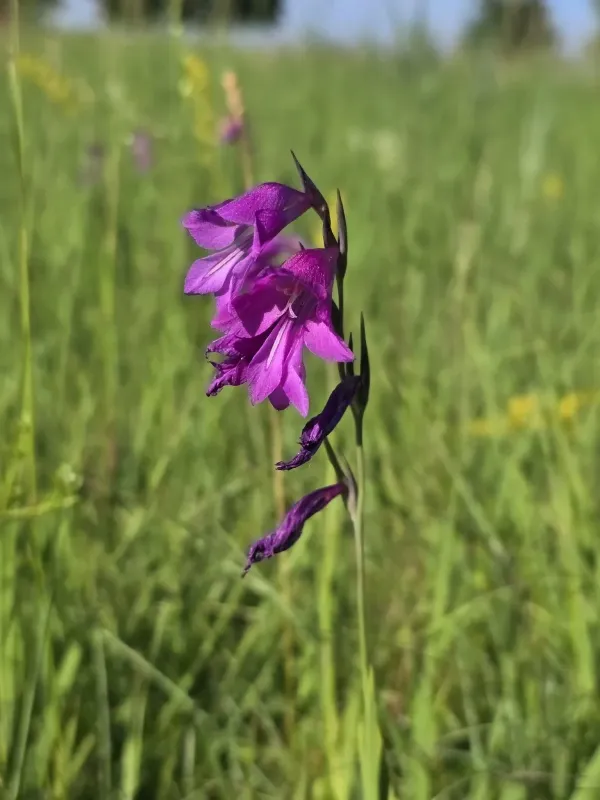
Botanically, the plant features a slender stem and narrow, sword-shaped leaves rising from a small corm. The flowers are typically arranged in a spike and display a vibrant purple or violet hue, which is highly appreciated in botanical collections.
As a rare species, the Marsh gladiolus is often subject to conservation efforts in its native range. In an agricultural or horticultural setting, it is treated as a collector's plant rather than a standard commercial crop due to its specialized environmental needs.
Main diseases and pests
The primary threat to the Marsh gladiolus is the loss of natural habitat through land reclamation and drainage. In cultivation, improper soil water management can lead to fungal pathogens, particularly root rot, which is a common issue for hydrophytic bulbs.
Pests such as gladiolus thrips can also affect the quality of the foliage and the blooming capacity of the plants. Integrated pest management, including regular inspection and the application of bio-friendly pesticides, is advised for maintaining healthy plant stands.