
Gladiolus liliaceus
Gladiolus liliaceus
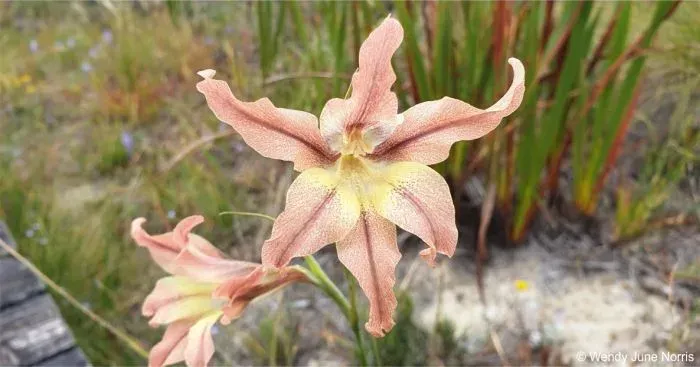
Description
Growing requirements
Gladiolus liliaceus is a perennial cormous plant belonging to the Iridaceae family. Native to the Cape region of South Africa, this species is highly valued for its unique, fragrant, lily-like flowers that distinguish it from the common large-flowered gladiolus hybrids.
The plant thrives in well-draining, fertile soils. Soil structure is paramount; it requires a neutral to slightly acidic pH and must not retain excess water, as moisture-logged conditions are fatal to the corm.
Exposure to full sunlight is essential for the healthy development of its foliage and the production of its signature blooms. It prefers open areas protected from strong, drying winds which can damage the stems.
Agricultural management requires careful irrigation during the active growing season. While the plant needs consistent moisture, it must be allowed to dry slightly between watering cycles to prevent root rot.
Due to its African origin, the plant is not frost-tolerant in temperate zones. Gardeners must lift the corms in autumn and store them in a cool, dry, and dark environment until the following spring planting season.
Main diseases and pests
The primary fungal threats to Gladiolus liliaceus include Fusarium wilt and corm rot, which are often triggered by excessive humidity and improper soil drainage during the growing season.
Thrips are the most significant insect pests, feeding on the foliage and buds. Their infestation often results in stunted, distorted growth and damaged flower spikes that fail to open properly.
Integrated pest management strategies should include regular rotation of planting sites to avoid soil-borne pathogen buildup and the use of chemical or biological control agents during peak infestation periods.
Proper post-harvest care, including drying the corms thoroughly and removing debris, is a crucial step in preventing the overwintering of pathogens.
Monitoring for signs of chlorosis or leaf curling is recommended as these can be early indicators of underlying soil issues or systemic disease pressure.