
Italian gladiolus
Gladiolus italicus
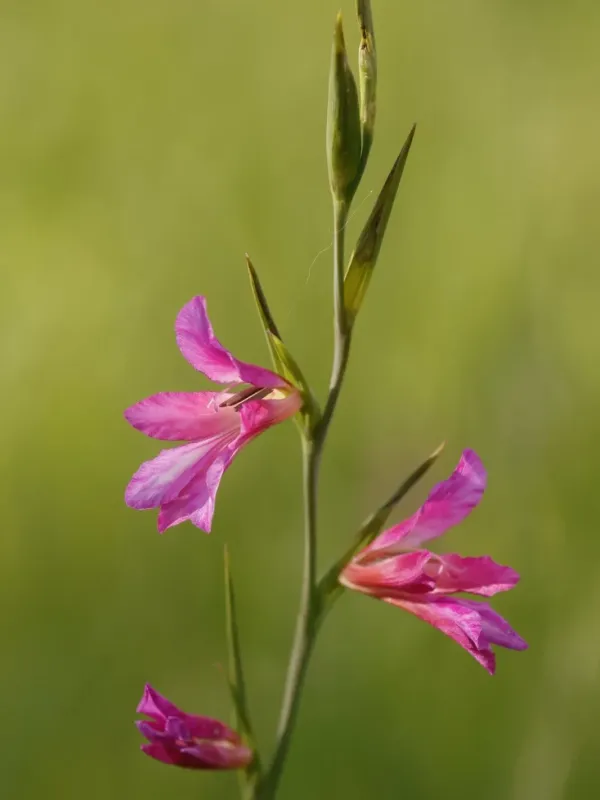
Description
Sowing dates
The Italian gladiolus (Gladiolus italicus), belonging to the Iridaceae family, is a cormous perennial that thrives when planted in spring.
In temperate climates, the ideal planting window begins once the risk of severe ground frost has passed, typically between April and May.
When starting from seeds, early indoor sowing is required to ensure the bulb develops sufficient size before the first dormant season.
Planting depth should be adjusted according to the soil texture; lighter soils require deeper planting to support the stem during growth.
Optimal spacing ensures adequate airflow, which is critical for reducing humidity-related diseases within the crop canopy.
Growing requirements
Gladiolus italicus performs best in full sun, requiring at least six to eight hours of direct sunlight per day for healthy flowering.
Well-drained soil is a non-negotiable requirement, as the corms are highly susceptible to rot in waterlogged environments.
Soil should be enriched with organic matter and possess a slightly acidic to neutral pH for optimal nutrient uptake.
Consistent moisture is necessary throughout the growing cycle, particularly during the rapid development of the inflorescence.
Periodic fertilization with balanced NPK formulas supports both vegetative growth and the development of high-quality replacement corms.
Main diseases and pests
Fungal pathogens such as Fusarium oxysporum are a primary concern, causing yellowing and gradual decay of the plant's vascular system.
The gladiolus thrips is a major insect pest that feeds on the sap, leading to stunted growth and discolored, distorted blossoms.
Soil-borne pests like wireworms can compromise the structural integrity of the corms, creating entry points for secondary infections.
Integrated Pest Management (IPM) strategies, including crop rotation and the use of resistant varieties, are highly recommended.
Fungicidal dips for corms prior to winter storage are a standard practice to ensure long-term plant health and vigor.
Harvesting
Harvesting corms is typically scheduled 4 to 6 weeks after flowering has finished, ensuring the foliage remains healthy long enough to fuel the bulb.
Careful extraction from the soil is essential to avoid physical damage, which can serve as a conduit for diseases during the storage phase.
Once harvested, the corms should be cleaned and left to cure in a dry, ventilated area to harden their outer protective skin.
Removal of the old, depleted mother corm and excess soil should only be performed once the material is fully dried and cured.
Storage should take place in a cool, dark environment to maintain dormancy and prevent premature sprouting before the next season.