
Gladiolus iroensis
Gladiolus iroensis
Description
Growing requirements
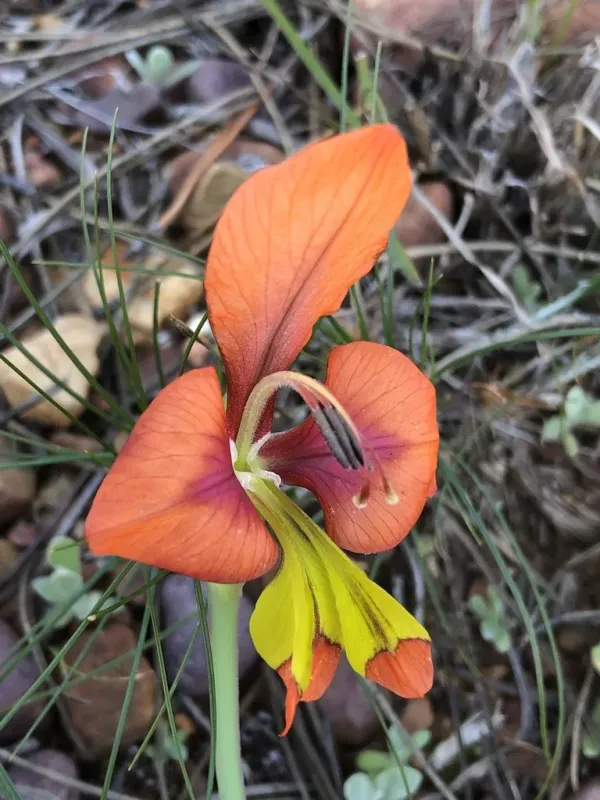
Gladiolus iroensis is a perennial herbaceous bulbous plant belonging to the Iridaceae family. Native to regions near Lake Iro in Chad, this species is noted for its specific adaptation to its local tropical environment, requiring careful management when introduced into gardens.
The plant thrives in well-drained, fertile soil with a neutral to slightly acidic pH. Proper soil structure is critical, as heavy or waterlogged soil quickly leads to bulb rot, which is a major physiological risk for this particular species.
As a sun-loving plant, it requires full exposure to sunlight for at least 6 to 8 hours daily. Adequate light levels are essential to trigger the development of healthy, upright floral spikes and ensure the plant reaches its full physiological potential during the growing season.
Climatic requirements involve moderate, consistent watering during the growing phase, followed by a dry dormancy period. Because it is not frost-hardy, in temperate regions, the bulbs must be lifted from the ground and stored in a cool, dry place throughout the winter.
Agronomic practices include shallow cultivation to keep the surface loose and the application of balanced phosphorus-potassium fertilizers. These nutrients support the development of strong root systems and high-quality floral stems during the peak growth cycle.
Main diseases and pests
The primary threats to Gladiolus iroensis include fungal pathogens such as Fusarium wilt and Botrytis (gray mold). These infections frequently manifest during storage if humidity levels are not controlled or if the bulbs were not cured properly before winter.
Thrips are the most significant insect pest for this species. They feed on the sap of the leaves and flower buds, causing discoloration and significant structural damage that ruins the aesthetic value of the plant.
Effective management strategies include the treatment of bulbs with systemic fungicides prior to planting. Rotating the planting location every season is also recommended to prevent the buildup of soil-borne pathogens in the growing area.
Insect control requires the use of targeted insecticides applied at the first signs of thrips activity. Maintaining a clean cultivation area, free of weeds, helps reduce the habitat available for these pests during the growing season.
Proper curing of the bulbs post-harvest, involving a drying period in a warm, ventilated environment, is critical. This process hardens the bulb surface, creating a protective barrier against post-harvest decay and ensuring longevity for the next season.