
Gladiolus hybrids
Gladiolus hybrids
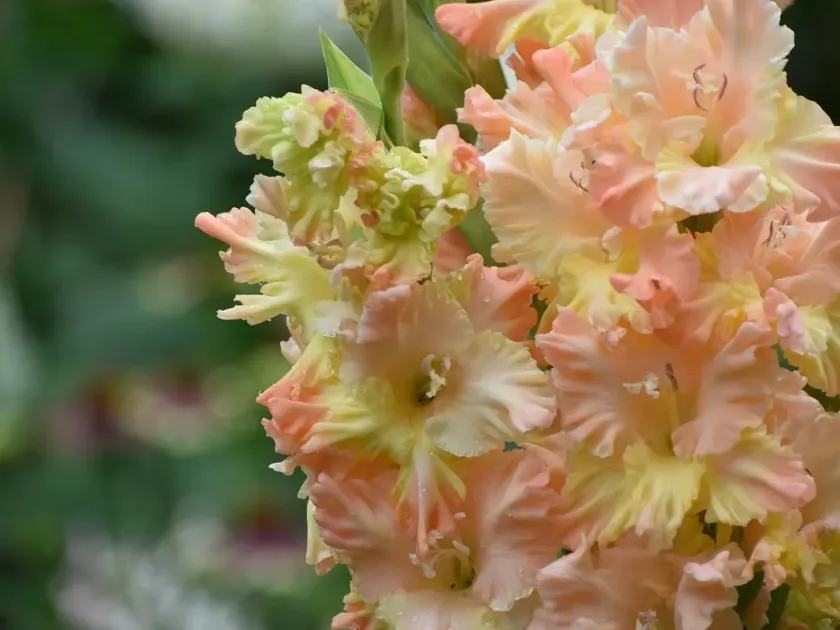
Description
Sowing dates
Gladiolus hybrids (Gladiolus hybrids), belonging to the Iridaceae family, are complex perennial plants prized for their tall, spiked inflorescences. They are geophytes that grow from corms, requiring annual digging in frost-prone climates.
Planting typically occurs in spring once the soil temperature reaches at least 8–10°C at a depth of 10 cm. This usually aligns with the warming trends in late April or early May.
Before planting, corms should be cleaned of old tunics and treated with fungicides to prevent soil-borne diseases. Selection of high-quality, healthy corms is the first step toward a successful bloom cycle.
The planting depth should be roughly three times the diameter of the corm. In lighter, sandy soils, deeper planting is recommended to provide stability for the tall stalks, while shallower planting is better for heavy soils.
To ensure a continuous supply of flowers throughout the summer, growers utilize staggered planting intervals of 10 to 14 days, which is a standard practice for commercial cut flower production.
Growing requirements
Gladiolus hybrids are sun-loving plants that require full exposure to direct light for at least 6–8 hours daily. Lack of sunlight results in spindly stems, weak flowers, and poor corm development for the next season.
The ideal soil is loose, well-draining, and rich in organic matter, with a pH ranging from 6.0 to 7.0. Poor drainage is the most common cause of corm rot, especially during periods of heavy rainfall.
Regular irrigation is essential, particularly during the stages of rapid leaf development and spike formation. The soil should remain consistently moist but never waterlogged to avoid root suffocation.
Nutrient management involves balanced fertilization. An initial dose of nitrogen supports foliage growth, while higher concentrations of phosphorus and potassium are required as the plant prepares for flowering.
Staking is often necessary, especially for large-flowered varieties. Providing support helps prevent stems from bending or breaking during high winds or heavy rains, ensuring high-quality market-ready spikes.
Main diseases and pests
Fusarium wilt, or dry rot, is the most serious threat, causing foliage yellowing and the eventual death of the corm. It is often exacerbated by excessive soil moisture and poor air circulation.
Gladiolus thrips are major pests that feed on plant tissues, leading to silvering leaves and deformed, streaky flowers. Chemical control using systemic insecticides is often necessary to protect the crop.
Bacterial scab is another common issue, characterized by reddish-brown spots on the corms. This disease is highly contagious and spreads rapidly if infected material is stored with healthy corms.
Wireworms and other soil-dwelling insects can create entry wounds for pathogens. Implementing proper crop rotation and utilizing soil treatments can significantly reduce the risk of infestation.
Viral diseases, such as the bean yellow mosaic virus, cause irregular flower color and stunted growth. Infected plants should be promptly rogued out to prevent the spread of the virus by aphids.
Harvesting
Corms are harvested 35–45 days after flowering, usually before the first hard frost of the autumn. Early harvesting is critical to prevent the corms from being damaged by cold temperatures and to allow for proper drying.
Upon harvest, the foliage should be trimmed to about 1–2 cm above the corm. This reduces the risk of botrytis spreading from the decaying leaves to the corm during the curing process.
Curing is a vital stage where corms are stored in a warm, dry area with good ventilation for 2–3 weeks. This helps seal the basal plate and allows the protective skin to harden.
After curing, the corms should be cleaned and stored in a cool, dark environment with temperatures maintained between 3°C and 7°C. Proper airflow during storage prevents mold development.
Regular inspections throughout the winter months ensure that any decaying corms are removed, preventing the loss of the entire stored lot and ensuring a healthy start for the following season.