
Gladiolus hortulanus
Gladiolus hortulanus
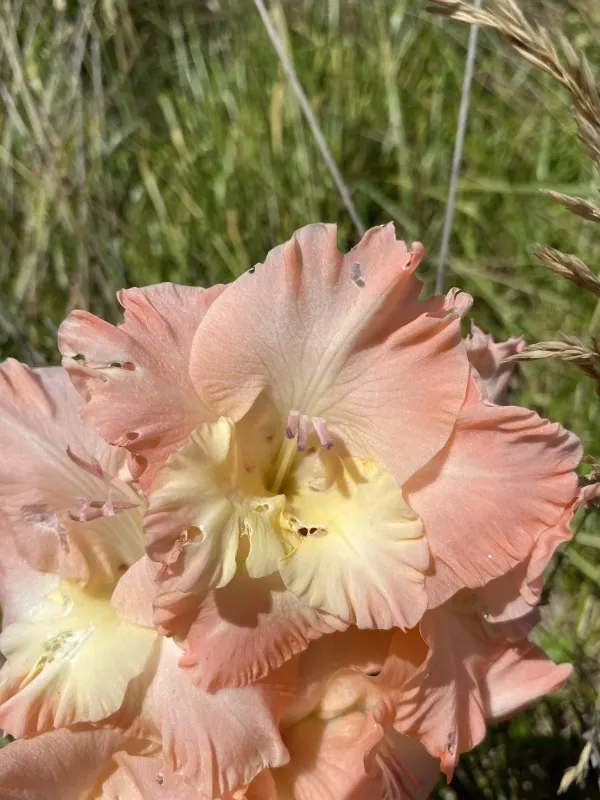
Description
Sowing dates
Gladiolus hortulanus is a popular horticultural crop belonging to the Iridaceae family. The planting of corms in open ground begins in spring when the soil temperature reaches at least +10°C at a depth of 10–12 cm.
In regions with temperate climates, the optimal window for planting is usually between late April and mid-May. Early planting ensures a sufficient vegetative period for the plant to mature properly before the winter dormant phase.
Before planting, corms must be cleaned of dry scales and treated with fungicides to prevent soil-borne diseases. The depth of planting depends on the corm size, generally ranging from 8 to 15 cm deep.
Planting density is typically determined by the end-use of the flowers. For commercial cut flower production, rows are spaced 40–50 cm apart, with 10–15 cm intervals between plants.
Rotating the planting site every 3–4 years is a standard agronomic practice to prevent the accumulation of specific soil-borne pathogens and pests that affect the health of future generations of corms.
Growing requirements
Gladiolus requires full sun exposure to thrive. Insufficient light leads to etiolation, weak stems, and poor flower quality, which reduces the commercial value of the crop.
The ideal growing medium is a well-drained, fertile sandy loam or loam with a neutral to slightly acidic pH range of 6.5–6.8. Poor drainage can quickly lead to root and corm rot.
Adequate soil moisture is critical during the budding and blooming stages. Dry conditions during these periods can cause curved stems and deformed inflorescences.
Nutrient management is phased: nitrogen applications occur in the early vegetative stage, while phosphorus and potassium are essential later to support corm development and future bloom quality.
High temperatures exceeding +30°C, especially combined with low humidity, can severely stress the plants, accelerating flower senescence and reducing the overall decorative life.
Yield
The productivity of a gladiolus crop is measured by the quality of the cut flower spikes and the multiplication rate of the corms and cormels (baby corms) produced during the season.
A high-quality corm is capable of producing a flower spike between 80 and 150 cm in length, featuring 15 to 25 buds, of which several remain open simultaneously for high aesthetic appeal.
Vegetative propagation via cormels is the primary method of increasing stock. A single healthy parent plant can produce dozens of cormels per season, which can be grown out for future production.
Consistent irrigation and pest control significantly increase the number of harvestable stems per square meter, making the crop highly profitable for small and medium-scale flower farms.
Professional growers focus on selecting disease-free corms, which ensures uniform height, bloom timing, and structural integrity of the flower stalks throughout the harvest period.
Main diseases and pests
Major diseases affecting this crop include Fusarium wilt (Fusarium oxysporum), Sclerotinia rot, bacterial scab, and various viral infections such as cucumber mosaic virus.
Sanitation is the first line of defense: infected corms must be removed and discarded immediately to prevent the spread of soil-borne pathogens across the field.
The gladiolus thrips (Taeniothrips simplex) is the most destructive pest. It feeds on both foliage and buds, resulting in silvering leaves and deformed or aborted flowers.
Soil pests like wireworms and mole crickets can cause significant damage by feeding on the corms and root systems, creating wounds that invite secondary fungal infections.
- Regular field monitoring for thrips and early symptom detection
- Fungicide seed treatment before planting
- Removing all crop debris after harvest to reduce overwintering pests
- Using certified, disease-free planting material
- Controlling weeds that can serve as host plants for viruses
Harvesting
Harvesting usually takes place 35–45 days after the flowering period ends, typically during dry weather to ensure that the corms are not muddy or susceptible to immediate rot.
Once lifted, the stems are trimmed close to the corm (about 1–2 cm). Proper drying is essential, occurring over 2–3 weeks in a warm, well-ventilated area with temperatures near +25...+30°C.
After the initial drying and curing, the corms are cleaned of old roots, soil, and daughter cormels, then sorted by size for the next planting season.
Storage requires a cool, dry environment with a temperature of +3...+6°C and 70% relative humidity, which prevents the corms from sprouting too early.
Monitoring the storage conditions is vital; if the temperature rises, it can lead to fungal growth or premature senescence, resulting in significant stock loss.