
Gladiolus gregarius
Gladiolus gregarius
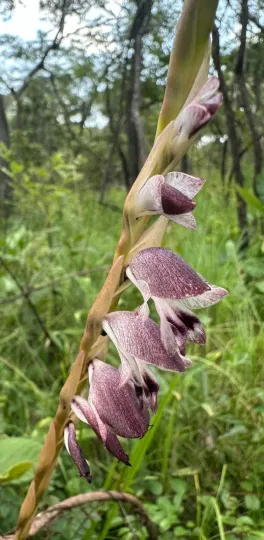
Description
Growing requirements
Gladiolus gregarius is a distinct perennial plant belonging to the Iridaceae family. Native to the tropical regions of West Africa, this species is well-adapted to savanna environments characterized by seasonal fluctuations in rainfall and temperature throughout the growing year.
The plant requires well-drained, sandy loam soils with a neutral pH to thrive. Consistent irrigation during the growth phase is essential for optimal development, but the soil must never remain waterlogged, as this is the primary cause of corm degradation and rot.
Gladiolus gregarius requires full sun exposure to produce vibrant blooms and maintain a sturdy, upright stem. In regions with cold winters, the corms must be lifted from the ground after the first frost, dried, and stored in a cool, ventilated place until spring planting.
The plant serves primarily in the ornamental horticulture sector, prized for its unique floral spikes and aesthetic appeal. It is commonly utilized in landscaping projects, mixed borders, and as a specialized crop for cut flower production in warm temperate climates.
Botanically, it is recognized for its gregarious nature, often growing in small clusters, which allows for effective propagation through cormel division. Growers should prioritize spacing to ensure adequate air circulation and reduce the risk of humidity-related foliage diseases.
Main diseases and pests
Fusarium wilt remains the most significant threat to Gladiolus gregarius cultivation. This fungal pathogen attacks the corms, leading to stunted growth and sudden collapse, making the use of fungicide-treated corms a standard agricultural practice.
Thrips are highly detrimental to this species, feeding on the epidermis of leaves and causing disfiguration of the floral buds. Effective management requires a combination of insecticidal treatments and the removal of host weeds from the surrounding planting area.
Spider mites often invade the crop during periods of low humidity and high temperatures. These tiny pests cause rapid chlorosis, which significantly reduces the photosynthetic capacity of the plant and diminishes overall flower quality.
Botrytis, or gray mold, can cause severe damage to flowers and foliage during wet weather. Improving air circulation around the plants and avoiding overhead irrigation can help significantly reduce the prevalence of this disease in a garden or commercial setting.
Wireworms and cutworms pose a hidden risk by feeding on the roots and the base of the corms. Implementing pre-planting soil treatment and utilizing biological control agents are effective strategies for integrated pest management in commercial fields.