
Gladiolus grandiflorus
Gladiolus grandiflorus
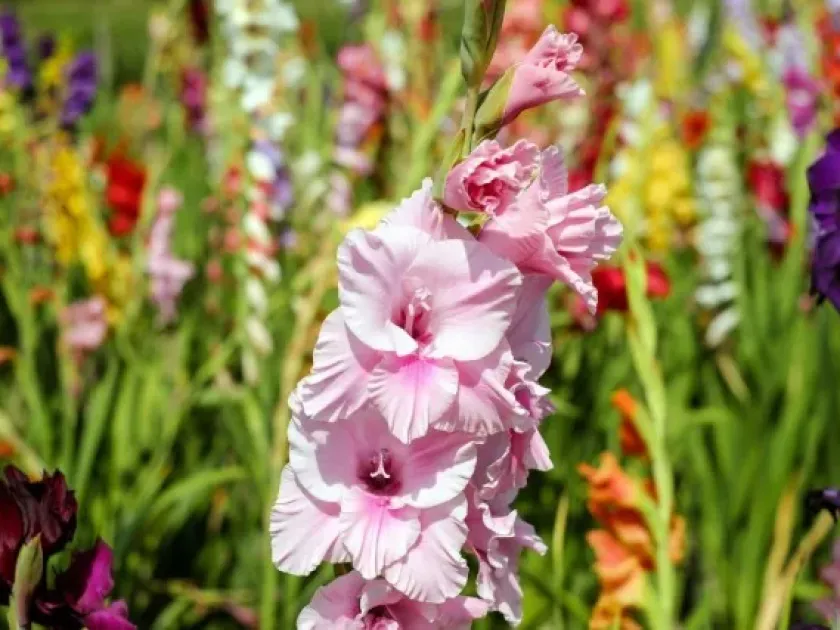
Description
Sowing dates
Gladiolus grandiflorus is a perennial cormous plant belonging to the Iridaceae family. The planting process in open soil takes place in the spring once the ground temperature at a depth of 10 cm reaches at least 8–10 degrees Celsius.
In temperate climates, the ideal planting window usually spans from late April through mid-May. Timely planting is essential to ensure the corms develop a strong root system before the onset of extreme summer heat.
Prior to planting, it is necessary to clean the corms of scales and treat them with fungicides to prevent soil-borne diseases. The planting depth should typically be 5 to 15 centimeters, depending on the bulb size and the texture of the soil.
To ensure a continuous supply of flowers, commercial growers often use a staggered planting schedule, placing new corms every two weeks. This technique extends the blooming period significantly throughout the growing season.
Proper site preparation, including organic matter enrichment and ensuring good drainage, is a prerequisite for high-quality production. The soil must be loose enough to allow for optimal corm development during the vegetative phase.
Growing requirements
These plants require full sun exposure and protection from strong winds to prevent the tall flower spikes from lodging or breaking. Inadequate light results in weak, spindly stems and poor-quality blossoms.
Gladioli thrive in well-drained, fertile sandy loam or silty loam soils with a slightly acidic to neutral pH. Waterlogging is detrimental to the plant, often leading to rapid root and corm decay.
Consistent moisture is crucial during the plant's rapid growth phases, especially when the flower spike is forming. Irrigation should be deep and thorough to encourage the development of a healthy root system.
Fertilization management involves balanced NPK application, with a focus on phosphorus and potassium during the bud-set stage. Excessive nitrogen should be avoided during late summer to promote better corm maturation for storage.
Mulching is a highly recommended practice to maintain stable soil temperatures and conserve moisture. This helps the plants stay vigorous even during the hottest periods of the growing season.
Main diseases and pests
The main threats to gladiolus health include fungal infections like Fusarium wilt and Stromatinia corm rot. These pathogens persist in the soil and can rapidly spread throughout a plantation if proper hygiene is neglected.
Gladiolus thrips are the most significant insect pests, causing severe damage to leaves and flower petals. They leave silvered markings and cause deformities, necessitating the use of targeted systemic insecticides for effective control.
Wireworms can cause mechanical damage to the corms by boring into the tissue, which invites secondary bacterial rots. Integrated pest management, including crop rotation, is essential for minimizing wireworm populations.
Viral diseases, such as cucumber mosaic virus, cause foliage mottling and plant stunting. Since there is no cure, infected plants must be rogued out immediately to prevent the spread of the virus by aphids or other vectors.
Storage of harvested corms requires a dry, well-ventilated environment. Poor storage conditions often lead to mold growth and the physiological breakdown of the planting stock during the dormant winter period.
Harvesting
The harvest of corms is initiated 35–45 days after the flowering period ends, specifically when the foliage begins to show yellowing. This typically aligns with late autumn, just before the first heavy frost settles in.
The process starts with early-blooming cultivars, followed by late ones, to ensure all corms are lifted before the ground freezes. After lifting, stems are trimmed, and corms are cleaned and cured in a warm, dry area with good airflow.
Gladiolus grandiflorus is a staple in the cut flower industry, valued for its long, elegant spikes and broad range of vibrant colors. Successful cultivation for the market requires careful selection of high-yield varieties.
Post-harvest management involves grading the corms by size to plan the next season's planting density. Properly graded corms ensure more uniform growth and flower development for the upcoming crop cycle.
Modern breeding has focused on improving stem strength and vase life, making these flowers highly competitive in the international floriculture trade. Consistent quality is the key to profitability for professional growers.