
Gladiolus gracilis
Gladiolus gracilis
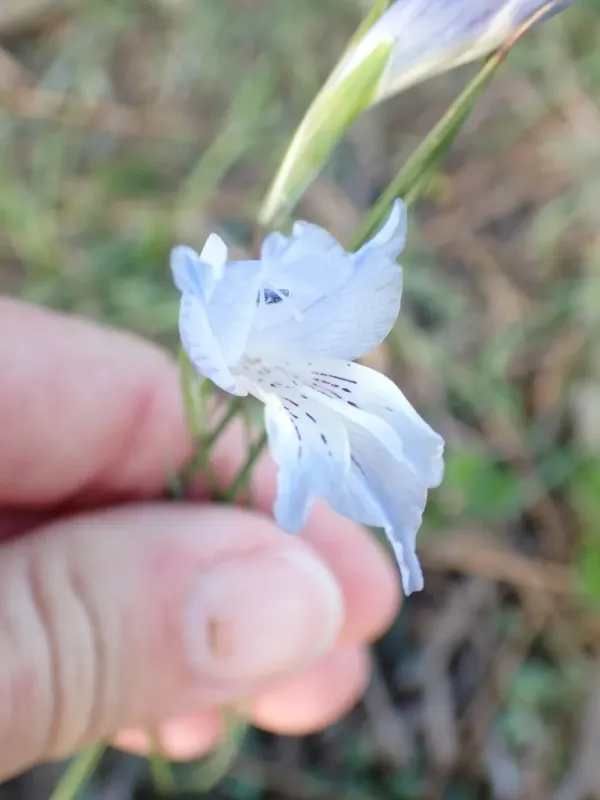
Description
Sowing dates
Gladiolus gracilis is a species belonging to the Iridaceae family, naturally occurring in the southern parts of Africa. When cultivating this specific species, it is essential to consider its distinct biological cycle, which favors mild climates and well-drained soils. Planting is typically done in the spring once the danger of frost has passed.
For seeds, the sowing process requires stratification to break dormancy. Sowing should be carried out in a sterile, lightweight medium to ensure optimal germination rates. Seeds should be covered lightly and kept at a consistent temperature to encourage steady development.
When planting corms, ensure they are placed at a depth of approximately 8 to 12 centimeters, depending on the soil texture. Proper depth provides the necessary mechanical stability for the flowering stem and protects the corm from temperature fluctuations in the topsoil layer.
Crop rotation remains a fundamental practice in the cultivation of Gladiolus gracilis. Moving the planting location every three years helps mitigate the risk of soil-borne pathogens, ensuring that the corms remain healthy and vigorous for successive growth cycles.
Distance between plants should be sufficient to allow for good air circulation, which is crucial for preventing humidity-related diseases. Depending on the size of the corms, spacing should be set at approximately 15 to 20 centimeters apart for optimal growth.
Growing requirements
This species demands full sun exposure to trigger flowering and ensure high-quality blooms. Ideally, the plants should be situated in a location that receives at least six to eight hours of direct sunlight daily throughout the growing season.
Soil requirements for Gladiolus gracilis include excellent drainage and a slightly acidic to neutral pH level. If the native soil is too heavy, the addition of grit, sand, or organic compost can significantly improve its structural properties and aeration.
Watering management is critical during the active growth phase. While the plants require consistent moisture, they are highly sensitive to waterlogging. Providing a deep watering whenever the topsoil feels dry is usually sufficient to support their metabolic needs.
Temperature range during the vegetative stage should ideally be between 18 and 25 degrees Celsius. Extreme heat can lead to rapid senescence of the flowers, so applying a layer of organic mulch can help regulate soil temperature and conserve essential moisture.
Nutrient supply should be balanced with a focus on potassium and phosphorus, particularly during the budding phase. Avoiding excess nitrogen is important, as it promotes excessive foliage growth while potentially weakening the stem's integrity and quality of the flowers.
Main diseases and pests
Fusarium wilt is a primary threat to Gladiolus gracilis, typically attacking the basal plate of the corms. Prevention through fungicidal treatment of the planting material and maintaining well-drained soil conditions is more effective than attempting to cure existing infections.
Thrips are the most common insect pest affecting this species, causing unsightly damage to both foliage and flowers. Integrated pest management, including regular scouting and the use of appropriate insecticides, is necessary to maintain the aesthetic value of the plants.
Bacterial scab can cause lesions on the corms, often spreading through contaminated soil or tools. Sanitizing equipment with alcohol or bleach solutions between uses is a standard agronomic practice to reduce the transmission of such pathogens in the garden.
Viral infections may manifest as mosaic patterns on the leaves and stunted growth. Because there is no chemical control for viral diseases, immediate identification and removal of symptomatic plants are required to protect the rest of the crop from spread.
Proper storage conditions play a key role in disease prevention. Ensuring that corms are thoroughly dried and stored in a cool, well-ventilated space prevents the development of rot during the winter months, protecting the viability of the stock for the next year.
Harvesting
Harvesting the corms involves carefully lifting them from the soil once the foliage has naturally yellowed and died back. This timing indicates that the plant has successfully transitioned into dormancy and has stored enough energy for the next season.
After excavation, remove the foliage and clean off any soil particles adhering to the corms. Initial curing should occur in a warm, dry area for several days to allow the outer skins to tighten and protect the core from physical injury and dehydration.
Following the curing period, it is important to sort the corms and discard any that show signs of damage or decay. This step prevents the loss of an entire batch during the winter months by isolating compromised units from healthy ones.
Storage should take place in a cool, dark, and dry environment where the temperature stays between 4 and 6 degrees Celsius. Good airflow is essential, so using open-weave bags or shallow trays helps maintain the appropriate moisture balance.
Regular maintenance during storage, such as checking for moisture or mold, ensures that the Gladiolus gracilis corms remain dormant and healthy. Proper autumn preparation is ultimately the most significant factor in achieving high-quality results in the following spring.