
Gladiolus dubius
Gladiolus dubius
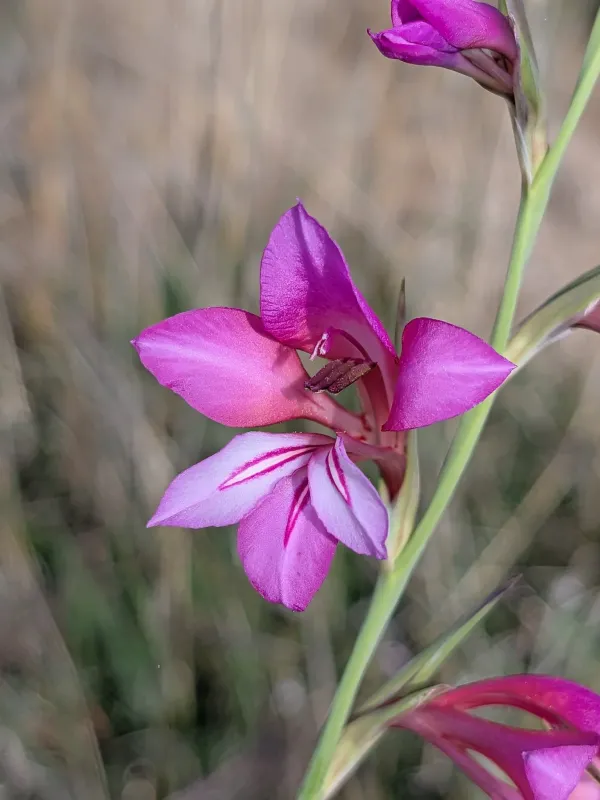
Description
Sowing dates
The planting of Gladiolus dubius corms is typically performed in the spring, once the soil has warmed to a consistent temperature of at least 10-12 degrees Celsius. Ensuring the frost risk has completely passed is crucial for successful establishment and growth.
The planting depth is determined by the size of the corm and soil texture. Generally, corms should be planted at a depth of 10-15 centimeters in light sandy soils, while 8-10 centimeters is sufficient for heavier clay-based soils to ensure proper sprout emergence.
Maintain a spacing of approximately 15-20 centimeters between individual corms. Proper spacing is essential to reduce humidity levels around the foliage, which helps prevent the development of various fungal pathogens during the growing season.
Professional growers often pre-sprout corms in a bright, temperate indoor environment for 2-3 weeks before planting. This practice encourages earlier flowering and allows for the initial selection of only the strongest and most viable planting stock.
Select a site with full sun exposure, as Gladiolus dubius thrives in well-lit conditions. The chosen location should also offer protection from strong winds that could potentially damage the tall, elegant flower spikes during the peak blooming period.
Growing requirements
Gladiolus dubius, a member of the Iridaceae family, requires fertile, well-drained soil with a neutral to slightly acidic pH. Poor drainage is the primary cause of failure, often leading to rapid root and corm rot in the field.
The ideal soil structure is loose and rich in organic matter. While composting is highly beneficial, ensure that the organic material is fully decomposed, as fresh manure can harbor pathogens and cause significant damage to the sensitive corm base.
Adequate water supply is necessary during the active growth phase, particularly during dry spells. However, irrigation must be managed carefully to ensure moisture reaches the root zone without creating waterlogged conditions that encourage plant diseases.
Regular fertilization is required to support the plant's nutritional needs. Use balanced mineral fertilizers early in the season, followed by phosphorus and potassium-rich blends as the flower spikes begin to develop to promote vibrant coloration.
Mulching the soil around the base of the plants helps regulate soil temperature and retain moisture. This technique is particularly effective in arid regions to prevent the soil from drying out too quickly and stressing the root system.
Main diseases and pests
Fungal diseases such as Fusarium wilt are common threats, especially in areas with poor drainage or high humidity. Sanitation, including the prompt removal of infected plants, is the most effective way to manage these issues in a planting site.
Thrips are arguably the most significant pest for Gladiolus species. These small insects feed on the sap of leaves and flowers, causing severe distortion and fading of the petals, which drastically reduces the ornamental value of the crop.
Wireworms can cause subterranean damage by boring into the corms. Implementing strict crop rotation and using authorized soil insecticides can significantly lower the risk of wireworm infestations in commercial or hobby gardening setups.
Slugs and snails may also cause damage during periods of high humidity, particularly to young, tender foliage. Barriers or mechanical traps can be utilized effectively to protect the plants from these slow-moving but voracious pests.
Prevention remains the best strategy for disease control. This includes treating corms with approved fungicides before planting and ensuring that the planting site is cleared of debris from the previous season to break the pathogen cycle.
Harvesting
The harvest of corms is undertaken in late autumn, ideally before the arrival of the first heavy frosts. When the foliage begins to show signs of yellowing, it indicates that the corms have matured and are ready to be lifted from the ground.
Carefully excavate the corms using a garden fork to avoid mechanical injuries. After extraction, trim the stems to approximately 1-2 centimeters above the corm, clean off excess soil, and allow them to air-dry in a well-ventilated space for several weeks.
Curing is a critical post-harvest step. During this period, the corms should be kept in a warm, dry environment at 20-25 degrees Celsius to help heal any minor wounds incurred during the digging process and prepare them for dormancy.
Store the clean, dry corms in a cool, dark, and well-ventilated location with temperatures maintained between 4 and 8 degrees Celsius. Perforated storage crates are recommended to ensure sufficient airflow and prevent moisture accumulation.
Routine monitoring of the stored corms during the winter months is essential for identifying and removing any specimens that show signs of decay. Prompt removal prevents the spread of rot, ensuring a high-quality harvest for the following spring.