
Gladiolus dalenii
Gladiolus dalenii
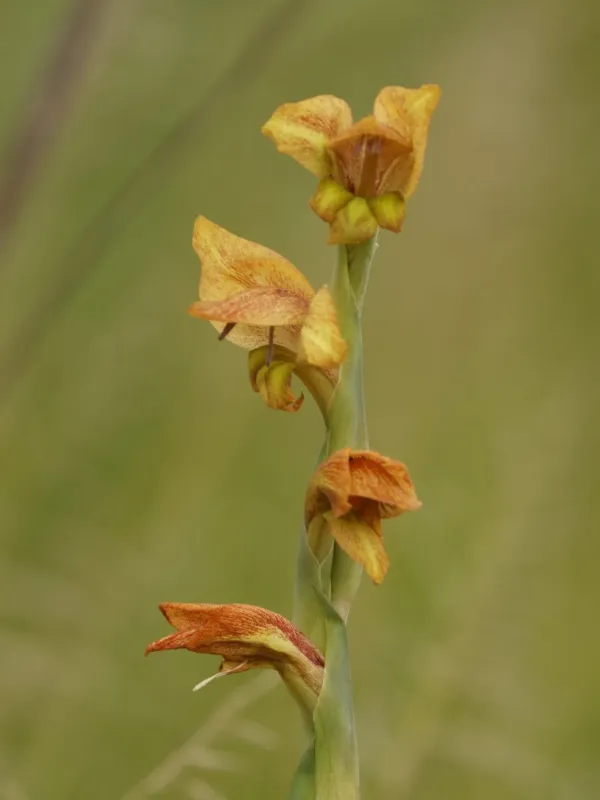
Description
Sowing dates
Gladiolus dalenii, commonly known as the Parrot Gladiolus, belongs to the Iridaceae family and is recognized for its robust nature. Planting should take place in spring once the soil temperature consistently reaches 10–12°C at a depth of 10 cm.
The ideal window for planting spans from late April to May, depending on the local climate zone. Pre-planting preparation involves removing the outer husks and pre-sprouting the corms in a warm, bright indoor area to encourage early development.
Planting depth is determined by corm size and soil structure. In light sandy soils, plant at a depth of 12–15 cm, while in heavier clay soils, a depth of 8–10 cm is preferred to ensure proper sprout emergence.
Maintain a spacing of 15–20 cm between corms to ensure adequate airflow and light penetration. Proper spacing is a fundamental strategy for minimizing fungal disease outbreaks that often thrive in overcrowded garden beds.
In cooler climates, these plants are treated as annuals, requiring the corms to be lifted and stored over the winter. In warmer regions, they may remain in the ground if protected from extreme freezing temperatures.
Growing requirements
Native to tropical Africa, Gladiolus dalenii requires ample sunlight and warmth for optimal performance. The plant thrives in open, sunny locations protected from strong winds to prevent stems from lodging.
The preferred soil type is light, fertile, and well-drained, with a pH ranging from slightly acidic to neutral (6.0–7.0). Poor drainage is the primary cause of corm rot and should be avoided at all costs.
Consistent, moderate moisture is essential throughout the growing season, particularly during the spike formation and peak blooming phases. Avoiding waterlogged soil is critical for maintaining healthy root systems.
Regular fertilization is beneficial for vigorous growth. A balanced fertilizer should be used in the early stages, while a transition to high-potassium and phosphorus formulas is recommended as flower buds begin to form.
Cultivation practices such as weeding and surface mulching help retain soil moisture and stabilize soil temperatures. Keeping the area free of competing weeds ensures the plant receives maximum nutrient availability.
Main diseases and pests
Gladiolus dalenii is susceptible to common Iridaceae diseases, such as Fusarium wilt, Sclerotinia, and gray mold. These pathogens often develop when planting materials are stored incorrectly or when soil moisture is poorly managed.
Thrips are the most damaging pests for this species. They feed on plant sap, causing leaves to silver and flowers to deform. Systemic insecticides are recommended for controlling these pests during the active growth period.
Wireworms can be problematic as they tunnel into the base of the corms, creating pathways for secondary infections. Preventive measures include soil treatment and the application of protective coatings to corms before planting.
Viral infections, such as mosaic or ringspot viruses, are incurable. Management relies strictly on the immediate removal and destruction of infected plants to prevent the spread to the surrounding healthy population.
- Pre-planting fungicide treatment for corms.
- Strict adherence to crop rotation cycles.
- Control of insect vectors to prevent viral transmission.
Harvesting
Corm harvesting begins 35–45 days post-flowering, usually in September or October, once the foliage begins to yellow and die back. Timing is crucial to allow the corm to mature fully before winter dormancy.
Stems should be cut back to about 5–10 cm above the corm. Harvest operations should ideally be conducted in dry weather to keep the corms as clean as possible and facilitate faster drying for storage.
After lifting, corms must be cured in a well-ventilated area at 20–25°C for two to three weeks. This process encourages the development of tough outer tunics and allows harvest-related wounds to heal properly.
Once cured, clean the corms by removing old roots and sorting out any specimens showing damage or signs of decay. Only healthy, firm corms should be selected for long-term storage.
Store the corms in a cool, ventilated space at 3–5°C. Regular inspection throughout the winter is essential to identify and discard any decaying corms, thereby protecting the overall health of the collection.