
Gladiolus colvillei
Gladiolus colvillei
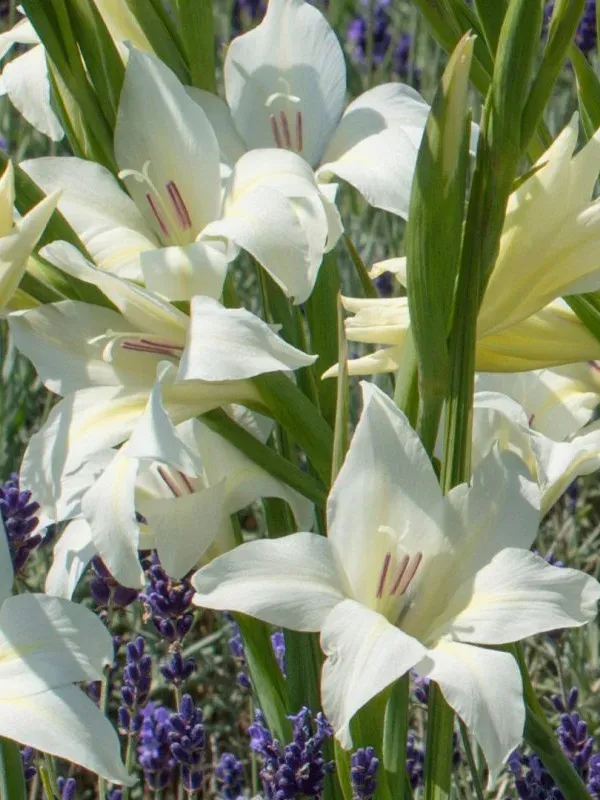
Description
Sowing dates
Gladiolus colvillei is an early-blooming hybrid resulting from the cross-breeding of Gladiolus tristis and Gladiolus cardinalis. It belongs to the Iridaceae family and is highly valued for its elegant, graceful flower spikes.
Planting typically takes place in early spring, as soon as the soil is workable and has warmed up. In temperate climates, this is generally from April to early May, depending on local frost patterns.
Choose a sunny location that offers protection from strong, prevailing winds. A spot with good exposure to sunlight is crucial for the development of strong, straight stems and vibrant blooms.
Plant the corms at a depth of 8 to 12 centimeters. The depth can be slightly increased in lighter, sandy soils to provide better anchorage for the plant as it matures.
Space the corms 10 to 15 centimeters apart. Adequate spacing is essential to ensure proper air circulation, which helps prevent the development of moisture-related diseases in the foliage.
Growing requirements
This species thrives in well-drained, fertile soil with a neutral to slightly acidic pH. Poorly drained soil can quickly lead to corm rot and stunted growth, making drainage the most critical factor.
Consistent moisture is required throughout the growing season, particularly when the flower spikes are developing. However, avoid waterlogging the soil to keep the corms healthy.
Fertilization should be balanced. A nitrogen-rich fertilizer can be applied during the early vegetative growth phase, while potassium-based fertilizers are better for blooming.
The climate should be mild, avoiding extreme heat. If temperatures spike significantly, providing light shade or extra mulch can help maintain cooler soil temperatures and longer blooms.
Weed management and regular cultivation of the topsoil are necessary to prevent competition for nutrients and to maintain good soil structure for root development.
Main diseases and pests
The most significant threats to Gladiolus colvillei are fungal infections such as Fusarium wilt and botrytis, which often develop when soil moisture is excessive.
Thrips are the most common pests. They feed on the flower buds and foliage, causing unsightly silvering, deformation of petals, and can significantly reduce the overall quality of the flowers.
Preventive measures include soaking the corms in a fungicide solution before planting and ensuring that the planting site has not been used for gladiolus in the previous few years.
Monitoring for insect activity is essential throughout the summer. Using appropriate systemic insecticides can help manage pest populations before they cause irreparable damage to the bloom.
Proper plant hygiene, such as removing and destroying any infected plant tissue immediately, is a fundamental step in maintaining the health of the entire flower bed.
Harvesting
Corms should be lifted from the ground in autumn, once the foliage has started to turn yellow but before the first hard frost of the season occurs.
Once lifted, clean the soil from the corms and trim the stems back. Allow them to dry thoroughly in a warm, well-ventilated, shaded area for several weeks to cure properly.
Store the dried corms in a cool, dry environment with temperatures maintained between 3 and 6 degrees Celsius to keep them in a dormant state through the winter.
Store in mesh bags or trays that allow for maximum airflow, which helps prevent the build-up of moisture that leads to fungal growth during the storage period.
Regular inspection of stored corms ensures that any material showing signs of decay or damage is removed promptly, protecting the rest of your stock for the following year.