
Gladiolus carneus
Gladiolus carneus
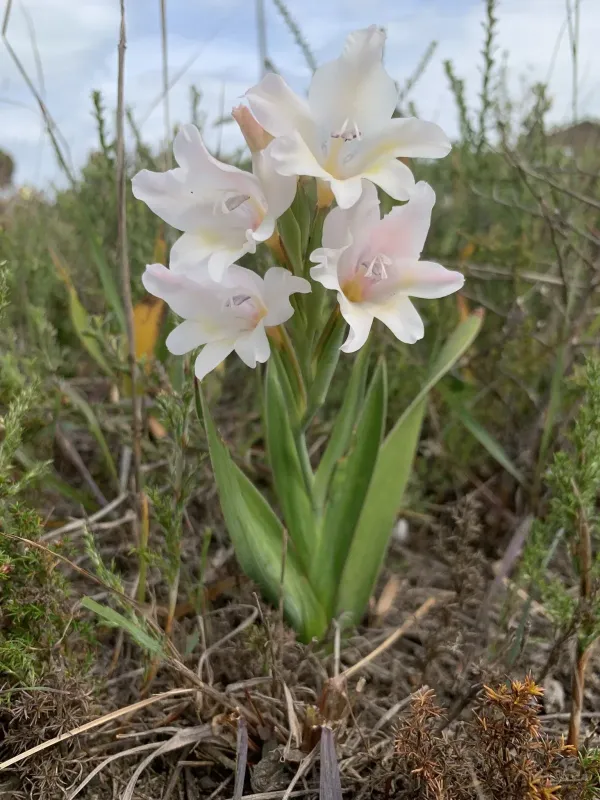
Description
Growing requirements
Gladiolus carneus is a perennial cormous plant belonging to the Iridaceae family. Native to the Cape region of South Africa, it is highly valued for its delicate, pale-colored flowers that distinguish it from other larger garden cultivars.
The plant requires a sunny, open location to thrive, as exposure to light is crucial for the development of the inflorescences. It is essential to ensure that the site is well-protected from strong, drying winds that could damage the flower stalks.
Soil requirements focus on excellent drainage and a light texture. Sandy or loam soils with a neutral to slightly acidic pH are ideal. Any soil enrichment should be carried out with well-decomposed organic matter to maintain structural integrity.
Climate adaptability is limited, as the species is not frost-tolerant. In regions with freezing winters, the corms must be lifted from the soil after the foliage dies back and stored in a cool, dry place until the following spring.
In ornamental horticulture, Gladiolus carneus is used for specialized container gardening or rock gardens where its unique aesthetic features can be highlighted. It serves as an excellent specimen for collectors interested in rare or wild-type gladiolus species.
Main diseases and pests
The primary threats to this species include fungal infections such as Fusarium wilt and Botrytis, particularly when humidity levels are excessively high or when corms are stored in poorly ventilated conditions.
The gladiolus thrips is a major pest that significantly affects the plant's health. It feeds on the plant tissues, leading to silvering leaves and deformed blooms, which drastically reduces the ornamental impact of the plant.
Preventative care starts with the careful selection and treatment of corms. Fungicide baths before planting and before winter storage are standard agronomic practices to minimize the risk of soil-borne pathogens.
Integrated pest management should be employed, utilizing systemic insecticides during the peak growing season to mitigate the impact of thrips and other sucking insects.
Maintaining proper hygiene by removing diseased plant matter and avoiding overcrowding will help in keeping the plants vigorous and resistant to potential environmental stressors.