
Carmine gladiolus
Gladiolus carmineus
Description
Sowing dates
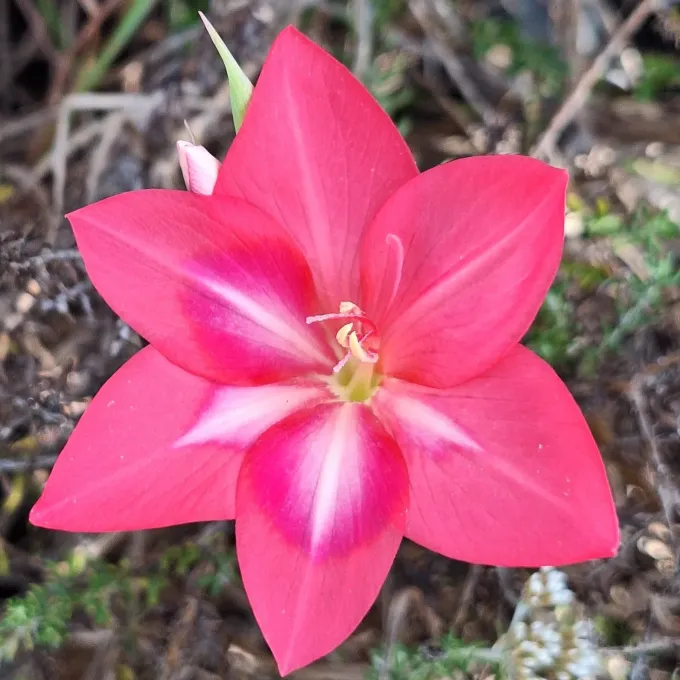
The Carmine gladiolus (Gladiolus carmineus) is a perennial bulbous plant belonging to the Iridaceae family. Native to the Cape Province of South Africa, this species is adapted to a Mediterranean climate characterized by mild, wet winters and warm, dry summers, which dictates its unique growth cycle.
In temperate climates, the bulbs should be planted in spring once the soil temperature reaches at least 10–12 degrees Celsius. It is crucial to wait until the danger of frost has passed, as the young shoots are sensitive to cold and can be severely damaged by late spring temperature drops.
Planting depth typically ranges from 8 to 12 centimeters, depending on the size of the corm. Ensuring that the bulbs are set into well-prepared soil is vital; pre-treatment with a mild fungicide is often recommended to protect the bulb from soil-borne pathogens during the initial sprouting phase.
When grown in greenhouse conditions, growers can manipulate the planting schedule to time the flowering process. Because this species naturally blooms in autumn in its native habitat, adjusting the photoperiod and temperature can help adapt the plant to different ornamental production cycles.
Propagation is primarily achieved through cormels, which are small offsets produced by the parent bulb. These must be harvested at the end of the season and grown in nursery beds for one or two years until they reach a size sufficient to support a flower spike, ensuring the longevity of the plant collection.
Growing requirements
This species thrives in light, well-draining, and slightly acidic to neutral soil. Proper drainage is the most critical factor; if the soil is too heavy or waterlogged, the corms are highly susceptible to basal rot, which can destroy the plant very quickly during the dormancy or early growth stages.
The Carmine gladiolus requires full sun exposure to develop strong, healthy stems and vibrant flowers. Inadequate lighting often results in etiolated growth, where stems become weak and prone to falling over, and the intense carmine color of the petals may fade significantly.
Watering should be consistent but moderate. It is important to avoid getting water on the leaves and flowers, as moisture on the foliage can encourage fungal spores to germinate, potentially leading to leaf spots or blights that diminish the plant's overall aesthetic and health.
Fertilization should focus on potassium and phosphorus to support bulb development and flower production. A balanced fertilizer applied at the start of the growth season, followed by a low-nitrogen, high-potassium feed during the bud formation phase, ensures the corms are robust for the following season.
- Soil: Sandy, loam-based with excellent drainage.
- Sunlight: Full exposure, at least 6–8 hours daily.
- Watering: Moderate, ensuring the top layer of soil dries between waterings.
- Temperature: Sensitive to frost, prefers warm, stable conditions.
Main diseases and pests
The most common disease threats are Fusarium wilt and Botrytis, which thrive in damp, poorly ventilated conditions. These fungal pathogens can cause the corms to rot, often appearing as soft, discolored patches on the bulb surface that eventually spread throughout the storage container if left unchecked.
Thrips are the primary insect pest for this gladiolus species. They feed on the sap of the foliage and developing buds, leading to unsightly streaks, stunted growth, and deformed flowers. Regular monitoring and, if necessary, the use of targeted insecticides are required to manage these populations effectively.
Soil-dwelling pests like wireworms can damage the corms directly by boring into the tissue. This not only weakens the plant but creates open wounds that are highly susceptible to secondary bacterial and fungal infections, necessitating the use of crop rotation to prevent recurring issues.
Winter storage is a critical period where the threat of dry rot and mold persists. If corms are not adequately dried after harvesting or are stored in overly humid conditions, the entire stock can be compromised by rapid fungal growth that turns the bulb tissue into a powdery or mushy mass.
Biosecurity in the garden is essential. Always inspect incoming bulb shipments for signs of pests or disease. Treating new bulbs with systemic fungicides before planting can significantly reduce the risk of introducing pathogens into your soil, protecting the existing collection from cross-contamination.
Harvesting
Harvesting the corms occurs in autumn as the foliage begins to yellow and wither naturally. This is an essential step, as it allows the plant to translocate energy from the leaves down into the corm, building up the starch reserves necessary for the plant to survive its dormant period.
When digging, care must be taken to maintain a distance from the corm base to avoid mechanical damage. Using a garden fork is preferred over a shovel to gently lift the bulbs from the soil. Any nick or cut in the outer skin can become a point of entry for fungal pathogens during storage.
After lifting, the corms should be cleaned of loose soil and the foliage trimmed back to a few centimeters. Curing is the next vital phase, where bulbs are kept in a warm, dry, and well-ventilated area for several weeks until the outer layers form a hard, protective skin.
Sorting and grading the harvested stock allows for the immediate disposal of any damaged or diseased specimens. Keeping healthy bulbs separate from those with suspicious spots ensures that the high-quality stock is not compromised by the decay of a single infected corm during the winter months.
Storage requires a cool, dry environment with good air circulation. Placing bulbs in mesh bags or shallow trays helps maintain proper ventilation. Regular checks throughout the winter allow for the removal of any bulbs that show signs of deteriorating, ultimately preserving the vigor of the harvest.