
Gladiolus cardinalis
Gladiolus cardinalis
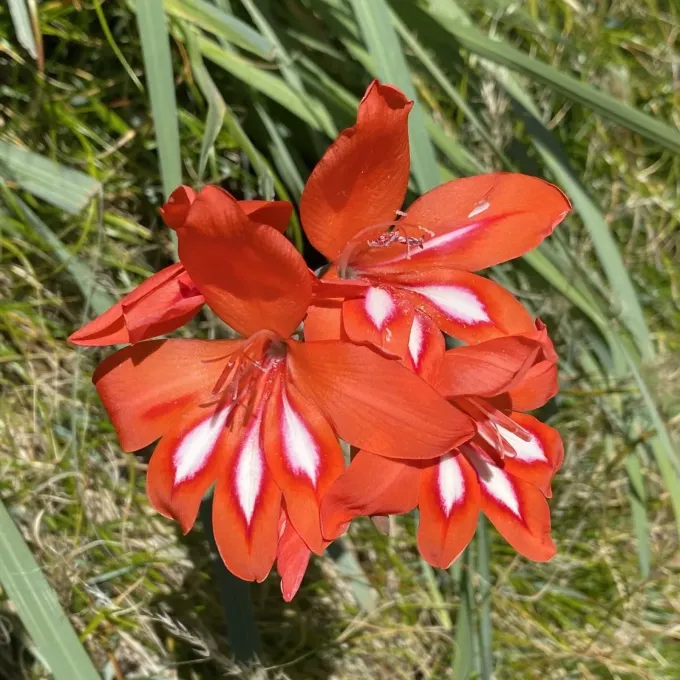
Description
Sowing dates
Gladiolus cardinalis, belonging to the Iridaceae family, is typically planted in spring once the soil temperature consistently reaches 10–12 °C. This timing is essential to avoid damage from late spring frosts and to ensure vigorous initial growth.
Preparation of the corms is a critical step. They should be cleaned of old tunics and treated with a systemic fungicide to protect against soil-borne pathogens. Sprouting the corms in a bright, warm location for two weeks before planting can significantly hasten blooming.
The planting depth is determined by the size of the corm, generally 10–15 cm deep. Proper spacing, typically 15–20 cm apart, is necessary to ensure adequate airflow and light penetration, which are vital for plant health and stalk strength.
Selection of an appropriate site is crucial; choose a position with full sun exposure and protection from strong, prevailing winds. Avoid planting in low-lying areas where water might pool after heavy rainfall.
Crop rotation is a recommended practice to maintain soil health. Replanting gladiolus in the same patch should be avoided for at least three years to prevent the buildup of specific pests and diseases in the soil.
##requirements##These plants thrive in loose, well-drained, sandy loam soils with a neutral or slightly acidic pH. Heavy clay soils should be amended with organic matter or sand to improve drainage and aeration, preventing root rot.
Water management is key to successful development. Regular, deep watering is required during the active growth phase, especially during the spike formation. Avoid getting water on the flower petals to prevent spotting and mildew.
An ideal temperature for growth ranges from 18–25 °C. While the plant appreciates warmth, extreme heat paired with very low humidity can cause heat stress, leading to shortened bloom time and faded flower coloration.
Fertilization should be balanced according to the plant's growth stage. Early in the season, nitrogen promotes foliage development, while potassium and phosphorus are essential later in the summer to support flower quality and corm maturity.
Mulching around the base of the plant can help retain moisture and suppress weeds. Ensure the mulch is not in direct contact with the stem to prevent potential rotting from excessive moisture retention.
##threats##Fusarium wilt is a major threat, causing yellowing of leaves and decay of the corm. It often thrives in poorly drained soils, making site selection and soil preparation the primary defense against this persistent pathogen.
Gladiolus thrips are the most destructive insect pests. They feed on leaves and buds, causing streaking and malformation. Preventive treatment with systemic insecticides during the active growing season is often necessary to protect blooms.
Bacterial scab manifests as sunken, dark-colored lesions on the corms. This disease is exacerbated by high soil moisture and the use of fresh manure, which should be avoided in favor of well-composted organic material.
Bulb mites can inflict serious damage on corms during storage. They bore into the tissue, often introducing secondary infections. Storing only clean, dry, and healthy corms is the best way to prevent infestation.
Viruses, particularly those causing mosaic patterns, are incurable. Infected plants exhibit variegated foliage and deformed flowers; these must be promptly removed and destroyed to prevent the spread of the virus by sap-sucking insects.
##harvest##Harvesting is performed in autumn, typically 4 to 6 weeks after flowering, when the foliage has begun to yellow but before the ground freezes. This ensures that the corms have stored enough energy for the next cycle.
The stems should be cut back immediately after lifting, leaving a short stump. Careful handling is necessary to prevent nicks or bruises on the corm skin, which are potential entry points for storage diseases.
Post-harvest curing is essential for longevity. The corms should be cleaned and dried in a well-ventilated, warm space for several weeks to cure properly before being moved to long-term storage conditions.
Corms should be sorted and stored in breathable containers, such as paper bags or wooden trays. Keeping different sizes separate helps maintain uniform moisture levels across the collection during the dormant period.
Storage conditions require a cool, dark, and dry environment, with temperatures between 3–6 °C. Regular monitoring during winter allows for the quick removal of any corms that show signs of decay.