
Dark-violet gladiolus
Gladiolus atroviolaceus
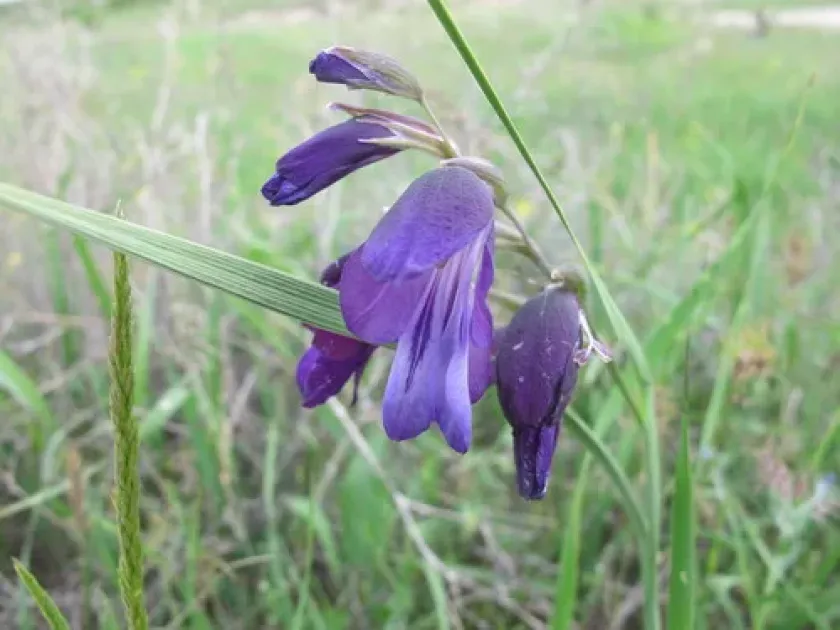
Description
Sowing dates
Dark-violet gladiolus (Gladiolus atroviolaceus) is a perennial cormous plant belonging to the Iridaceae family. The planting process in open soil begins in spring when the ground temperature reaches at least 10–12 degrees Celsius.
The ideal planting window is typically between late April and mid-May. Before planting, it is recommended to sprout the corms in a bright, warm location for a couple of weeks to jumpstart the root development process.
The planting depth is determined by the corm size and soil texture, generally ranging from 8 to 15 centimeters. Spacing between individual plants should be at least 15–20 centimeters to allow for optimal airflow and prevent competition for nutrients.
Choosing the right site is crucial: these plants thrive in full sun and require protection from strong, gusty winds that could damage their tall stems. Insufficient sunlight will directly result in weaker growth and less vibrant colors.
Propagation is primarily achieved through cormels, which develop around the base of the parent corm. These small cormels are planted in dedicated nursery beds and grown for one or two seasons until they reach a mature, flowering size.
Growing requirements
This species demands fertile, well-draining soil to perform at its best. Soils that are too heavy or prone to waterlogging must be amended with organic matter or sand to ensure proper aeration for the root system.
The soil pH should ideally be between 6.5 and 7.0. Regular soil testing and the addition of well-rotted compost during the preparation phase contribute significantly to the successful development of the bulbs.
Consistent moisture is necessary throughout the growing season, particularly during the stages of rapid vegetative growth and flower bud formation. Deep, infrequent watering is generally preferred over light daily sprinkles.
Staking may be required in exposed areas to prevent the heavy flower spikes from toppling over. Providing support early in the growth cycle ensures the plants remain upright and maintain their decorative shape.
Nutrient management is essential; balanced mineral fertilizers should be applied at specific growth stages to support root development and subsequent inflorescence. Excessive nitrogen should be avoided to prevent susceptibility to rot.
Main diseases and pests
Common pathological threats include fusarium wilt, botrytis, and various types of bulb rot. These infections are often soil-borne or introduced via contaminated planting material, leading to significant yield losses.
Gladiolus thrips are the most persistent insect pests, causing damage to the foliage and buds, often resulting in unsightly streaking and distorted flower spikes. Monitoring for early signs of infestation is vital.
Preventive fungicide treatments of corms before planting are a standard agricultural practice to minimize the risk of infection. This step is critical for maintaining a healthy and productive bulb stock.
Integrated pest management, including the use of systemic insecticides and removal of weed hosts, helps control thrips populations. Maintaining garden hygiene by removing plant debris at the end of the season is also necessary.
Any plant showing signs of viral or severe fungal infection should be immediately rogued out and destroyed to prevent the spread of pathogens to adjacent healthy specimens in the garden bed.
Harvesting
Harvesting the corms takes place in the autumn, ideally after the foliage begins to yellow but before the first significant frost. The plants should be lifted carefully using a garden fork to avoid mechanical damage.
Once lifted, the stems are trimmed back to a short stub, and the corms are cleaned of residual soil. This is a crucial step to ensure proper drying and to reduce the likelihood of storage-related diseases.
Corms must be cured in a warm, dry, and well-ventilated area for several weeks. This hardening process ensures that the protective scales are dry and that the corm itself is ready for dormancy.
Storage requires a cool, dark environment with temperatures maintained around 4–6 degrees Celsius. Proper air circulation within the storage containers is necessary to prevent excessive humidity and premature decay.
The dark-violet gladiolus is widely appreciated for its use in professional floristry and landscape design, where its deep, sophisticated color provides a striking contrast in bouquets and garden displays.