
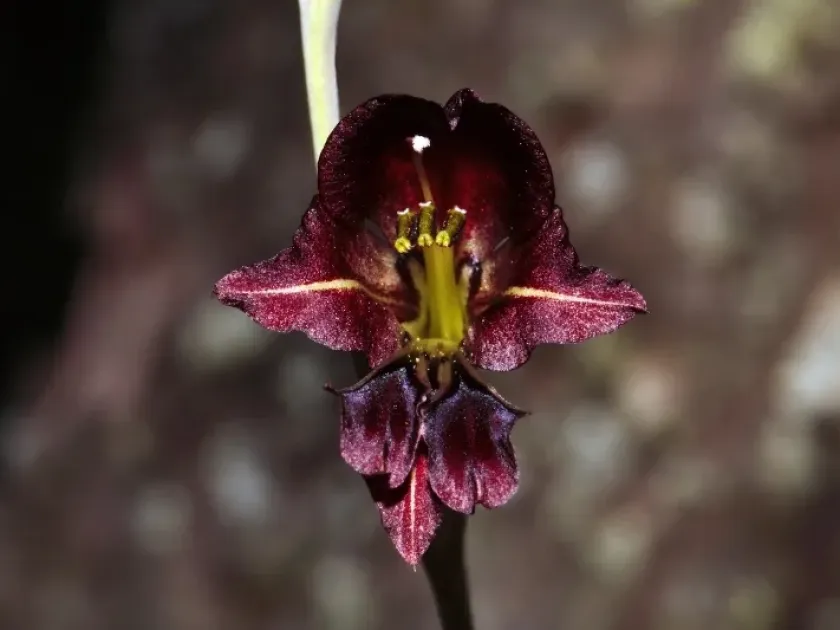
Dark purple gladiolus
Gladiolus atropurpureus
Description
Sowing dates
Dark purple gladiolus (Gladiolus atropurpureus) is a perennial corm-producing plant belonging to the Iridaceae family. In agricultural practice, planting is carried out in the spring once the soil temperature at a depth of 10 centimeters reaches at least 8–10 degrees Celsius.
The optimal planting window is from late April to mid-May. Planting too early in cold, wet soil increases the risk of corm rot, while late planting interferes with the formation of the replacement corm, which is essential for the next season's growth cycle.
Before sowing, the planting material must be cleaned of dry scales and treated with fungicides. This prophylactic step protects the corms from soil-borne pathogens and stimulates the initiation of the root system immediately upon contact with the soil.
The planting depth depends on the soil texture and the size of the corm. In light, sandy soils, a deeper planting of about 15 centimeters is recommended, whereas in heavier clay soils, 8–10 centimeters is sufficient to ensure the shoot can penetrate the surface easily.
Spacing within the row should be 15–30 centimeters, depending on the bulb grade, while inter-row spacing is typically maintained at 40–50 centimeters. This provides sufficient room for aeration and allows for mechanical maintenance, such as weeding and cultivation.
Growing requirements
This crop has high light requirements; therefore, it should be grown in full sun. Adequate solar exposure is critical for maintaining the deep, saturated purple pigmentation of the petals and ensuring robust physiological development of the plant.
Well-drained, fertile sandy-loam or loam soils are ideal. The plant is highly sensitive to waterlogging, as standing water in the root zone quickly leads to the development of fungal infections and the suffocation of the corm's vascular system.
The ideal temperature range for active vegetation is between 18 and 25 degrees Celsius. During periods of heat, maintaining soil moisture is vital to prevent the plants from drying out and to ensure the proper formation of the flower spike.
Regular irrigation is required, particularly during the leaf development stage and the flower spike initiation phase. Decreasing irrigation towards the end of the season helps the plant transition into dormancy and encourages the maturation of the corm.
Fertilization management involves a balanced application of minerals. Nitrogen is beneficial in the early growth phase, whereas phosphorus and potassium become essential during the flowering and corm maturation stages to build strong plant tissue and winter hardiness.
Main diseases and pests
Gladiolus crops are susceptible to several major threats, including Fusarium wilt and Sclerotinia rot. These diseases primarily attack the base of the corm, often resulting in complete plant collapse if the infection reaches an advanced stage.
Thrips are the most significant insect pest for this crop. They feed on the sap of leaves and flowers, causing visible distortion and significant aesthetic damage to the blooms, which directly impacts the commercial value of the flower production.
Viruses represent another major threat, often spread by vectors like aphids and thrips. Once a plant is infected with a virus, there is no chemical cure, and the plant must be rogue out and destroyed immediately to protect the rest of the crop.
Implementing a strict crop rotation program is a mandatory agricultural practice. Planting gladiolus in the same area should be avoided for at least four years to reduce the population of pathogens and pests residing in the soil.
- Apply systemic insecticides to control thrip populations during the growing season.
- Ensure all gardening tools are disinfected to prevent the mechanical transmission of viruses.
- Prioritize clean, virus-free certified planting material for all new crops.
Harvesting
Harvesting is performed in autumn, approximately 30–40 days after the blooming period ends, or just before the first hard frosts. The corms are carefully dug up, and the stems are trimmed to a few centimeters to facilitate the curing process.
Proper curing involves drying the corms in a well-ventilated, warm area for several weeks. This stage ensures the formation of a tough skin, which is vital for protecting the corms from moisture loss and fungal attacks during winter storage.