
Gladiolus aleppicus
Gladiolus aleppicus
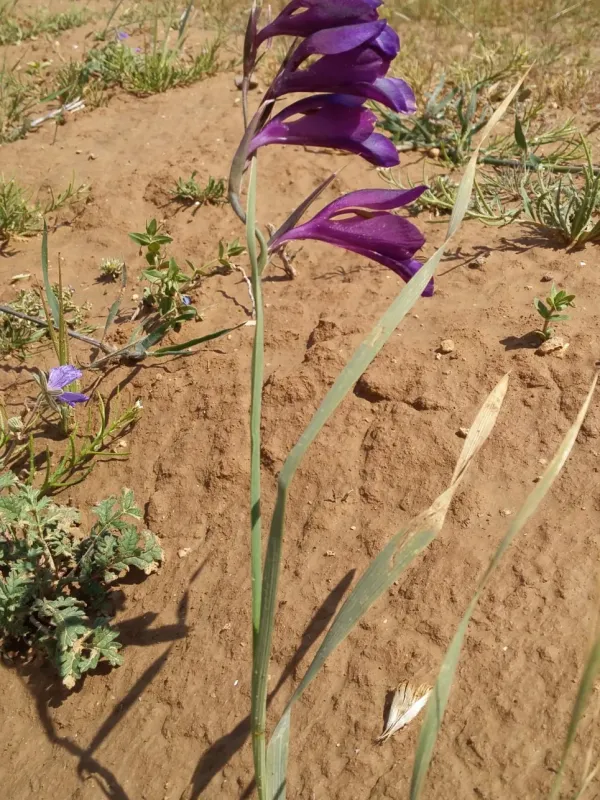
Description
Sowing dates
Gladiolus aleppicus is a member of the Iridaceae family. As a perennial bulbous plant, it is typically planted in the spring once the soil temperature consistently reaches 10 degrees Celsius.
In regions with milder climates, late autumn planting is possible, provided that the bulbs are protected from excessive moisture and deep frost during the winter period.
The planting depth is generally recommended at three times the bulb diameter to ensure stable development and proper formation of daughter corms.
Before planting, it is crucial to prepare the corms by removing old scales and treating them with fungicides to prevent soil-borne fungal infections.
Proper spacing is vital for the crop; a distance of 15 cm between plants and 40–50 cm between rows allows for adequate air circulation and light penetration.
Growing requirements
This species thrives in open, sunny locations protected from strong winds that might damage the tall flower stalks during the peak growing season.
The soil must be well-drained and light, as stagnant water is detrimental and often leads to root rot and the death of the bulbous system.
A fertile soil with a neutral or slightly acidic reaction (pH 6.5–7) provides the optimal conditions for nutrient uptake and healthy plant development.
Regular irrigation is necessary throughout the growing cycle, especially during the critical stages of bud initiation and flower development.
A balanced fertilization strategy, including nitrogen, phosphorus, and potassium, should be applied at different stages to encourage robust growth and vivid blooms.
Main diseases and pests
Fungal diseases, such as Fusarium wilt, represent a significant threat, primarily attacking the basal plate of the corm and causing rapid plant decline.
Thrips are the most destructive pests for this species, as they feed on the sap of leaves and buds, causing disfigurement and reduced flowering quality.
Effective disease management relies on crop rotation, ensuring the same area is not used for gladiolus cultivation more frequently than once every four years.
Proactive monitoring and the application of appropriate insecticides and fungicides help mitigate the risk of pest outbreaks and disease spread.
Sanitation practices, including the removal of all plant debris at the end of the season, are essential for maintaining soil health for future crops.
Harvesting
Harvesting should be performed in dry conditions, usually 30 to 40 days after flowering, once the foliage has started to turn yellow and wither naturally.
The stems are cut near the bulb, and the corms are cleaned of soil residues and old roots to prepare them for the curing process.
Curing involves drying the corms in a well-ventilated, warm area for two weeks to ensure the outer tissues are fully matured and dried.
For long-term winter storage, the corms should be kept in a cool, dark, and dry environment with temperatures maintained between 4 and 8 degrees Celsius.
Successful storage practices ensure high viability and vigor of the planting material for the next gardening season.