
Cypella herbertii
Cypella herbertii
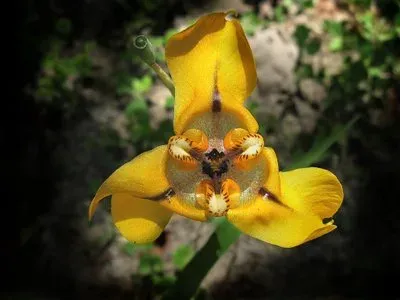
Description
Growing requirements
Cypella herbertii is a bulbous perennial plant belonging to the Iridaceae family. Native to South America, particularly regions of Argentina, Uruguay, and Brazil, this plant is admired for its architectural beauty and distinctive, uniquely shaped yellow flowers that add a splash of color to garden beds.
Botanically, it features grass-like foliage that grows in clumps, supporting elegant stems topped with ephemeral, orchid-like flowers. Each flower consists of three large inner petals and three smaller outer segments, often decorated with intricate patterns, which bloom sequentially to extend the display.
The plant thrives in full sun, which is essential for healthy development and consistent flowering. In cooler temperate climates, it requires a warm, sheltered position, ideally near a south-facing wall, to maximize sun exposure throughout the growing season.
Soil quality is paramount for Cypella herbertii. It demands soil that is rich in organic matter but, most importantly, has excellent drainage. It cannot tolerate waterlogged conditions, as the bulbs are highly susceptible to rotting if left sitting in wet, heavy clay soils.
Agrotechnical maintenance focuses on careful irrigation. While it needs consistent moisture during the spring and summer growth phase, water should be reduced drastically as the plant enters dormancy. In areas with harsh winters, bulbs should be lifted and stored in a cool, dry, and dark environment.
Main diseases and pests
Fungal diseases are the primary threat to Cypella herbertii, particularly in wet or humid summers. Botrytis and root rot are common issues caused by poor soil drainage or inadequate airflow, which lead to tissue softening and plant decline.
Pests such as bulb mites, thrips, and aphids can infest the plants, causing distorted foliage and reduced flowering. Scouting for these insects early in the season is vital for keeping the population in check and preventing heavy damage to the plant's health.
Cultural control measures are the first line of defense. Ensuring correct spacing between plants allows for better air circulation, which significantly reduces the risk of fungal infections and keeps the foliage dry after heavy rains.
Chemical treatments, such as systemic fungicides, can be applied as a preventive measure for bulbs before planting. If an infestation is identified during the growing season, selective insecticides or horticultural oils can be used, provided they are applied according to label recommendations.
Sanitation is equally important: removing dead plant material and debris from the base of the plant prevents the buildup of pathogens. Healthy, well-tended plants are naturally more resilient to the stresses caused by environmental fluctuations and pest attacks.