
Cypella aquatilis
Cypella aquatilis
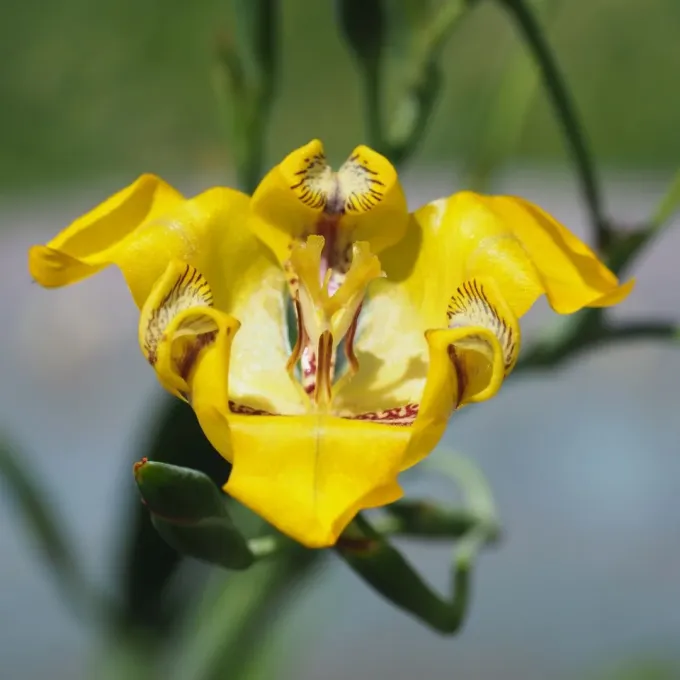
Description
Growing requirements
Cypella aquatilis is a perennial herbaceous plant belonging to the Iridaceae family. Native to the wetlands of South America, this species has evolved to thrive in swampy or periodically flooded environments, making it a unique candidate for aquatic or waterside gardening.
To successfully cultivate this species, specific site conditions must be met. The plant requires consistently moist soil that is rich in organic matter. While it is classified as a moisture-loving plant, the soil should not be completely stagnant; slow movement or sufficient oxygenation in the root zone is preferred.
Regarding climate, Cypella aquatilis favors warm and temperate environments. It is not frost-hardy and requires protection in regions where temperatures drop significantly during winter. Providing a stable, warm growing season allows the plant to reach its full vegetative potential.
Soil requirements include a slightly acidic to neutral pH level. Clay-based or silty soils are ideal because of their high water-retention capacity, which prevents the roots from drying out. Adding leaf mold or well-rotted compost to the planting site mimics the natural habitat and supports vigorous growth.
Management techniques involve regular monitoring of moisture levels. If used in a garden pond setting, the plant should be positioned at the appropriate depth along the margin, ensuring the crown is not submerged too deeply, which could cause crown rot.
Main diseases and pests
The primary threats to Cypella aquatilis are fungal diseases, particularly those affecting the root and collar zones. These are most prevalent in conditions with poor drainage and high humidity combined with stagnant air circulation.
Slugs and snails are the most common pests, as they thrive in the same high-humidity environments that the plant favors. These mollusks can cause significant damage to young leaves and stems, necessitating manual removal or organic deterrents.
Aphids may occasionally target the developing flower buds, leading to stunted or distorted blooms. Vigilant inspection during the growing season allows for early intervention, ensuring that the visual appeal of the plant remains intact.
Leaf spot diseases can also occur if the foliage remains wet for extended periods in low-light conditions. Maintaining appropriate spacing between individual plants is crucial to ensure adequate airflow and reduce the humidity around the leaf surface.
To minimize risks, it is essential to keep the surrounding area free of decaying organic matter that could harbor pathogens. Healthy, well-nourished plants are generally more resilient to the typical pests and diseases encountered in wetland environments.