
Cypella
Cypella
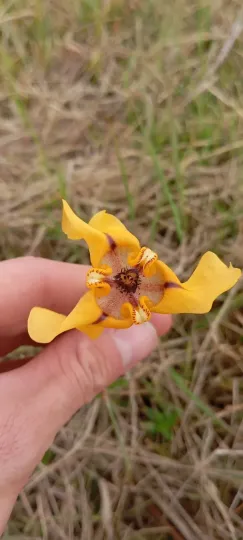
Description
Sowing dates
Cypella is a genus of perennial bulbous plants belonging to the Iridaceae family. In agricultural and horticultural contexts, the plant is primarily propagated vegetatively by separating offset bulbs from the parent plant during the dormant period.
The optimal planting time for bulbs is in the spring once the soil has warmed up to at least 10–12 degrees Celsius. In most temperate regions, this corresponds to the period between mid-April and early May, depending on local climate conditions.
Bulbs should be planted at a depth of 5 to 8 centimeters. It is crucial to maintain a spacing of 15–20 centimeters between plants to ensure adequate air circulation and to minimize the risk of moisture-related fungal diseases.
While seed propagation is possible, it is significantly slower and less common. Seeds are typically sown indoors during late winter in a well-draining, lightweight potting mix, ensuring consistent moisture levels for successful germination.
In regions with harsh winters, bulbs must be lifted after the foliage begins to yellow and wither. They should be stored in a cool, dark, and dry environment with good ventilation to prevent rotting during the dormant phase.
Growing requirements
Cypella plants thrive in full sun and require bright, warm locations to reach their full flowering potential. Insufficient sunlight often leads to weak stems and significantly reduced blooming cycles throughout the season.
The crop is sensitive to soil conditions and demands fertile, loose, and well-draining substrates. A neutral or slightly acidic soil pH is ideal, provided that the drainage system prevents any water stagnation near the roots.
Regular but moderate watering is essential during the active growing season. It is vital to avoid overwatering, as excess moisture in the root zone is the primary cause of failure in the cultivation of this genus.
During the flowering stage, the plant benefits from applications of balanced mineral fertilizers with low nitrogen content. Higher nitrogen levels can stimulate excessive vegetative growth at the expense of blossom production.
Mulching the soil surface is a highly recommended practice for maintaining soil temperature and moisture consistency. Using organic mulch helps protect the bulbs from overheating during intense summer heatwaves.
Main diseases and pests
The most significant threats to Cypella are fungal pathogens, specifically those causing bulb rot and fusarium wilt. These conditions are usually triggered by poor drainage and excessive moisture levels in the growing medium.
Pests such as thrips and spider mites are common enemies of this crop. They infest the leaves and stems, sucking out the plant's sap and leading to discolored, distorted foliage and overall plant decline.
Slugs and snails can also cause damage to the tender young shoots in the spring. Implementing physical barriers or using approved molluscicides can help protect young plants from significant defoliation.
Preventative measures include treating bulbs with fungicides before planting and ensuring that the planting site has excellent drainage. Regular monitoring of the foliage is essential for early detection of any pest outbreaks.
If any portion of the plant shows signs of severe disease, immediate removal and destruction of the infected specimen are necessary. This helps to prevent the spread of the pathogen to neighboring, healthy plants.