
Curtonus
Curtonus
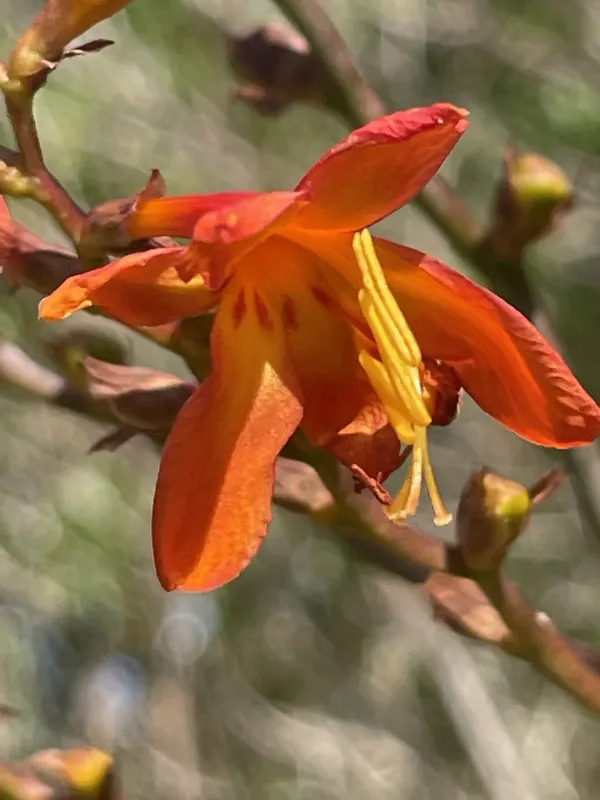
Description
Sowing dates
Curtonus, often classified within the Crocosmia genus, is a striking perennial member of the Iridaceae family. Propagation of this crop is primarily achieved through the division of corms, which are separated from the main plant during its dormant period.
The ideal planting time for corms in open soil is in spring, once the ground has warmed to at least 10 degrees Celsius. Planting too early, while the soil is still cold, can lead to rot and poor establishment of the root system.
For those interested in seed propagation, sowing should be initiated in indoor containers during late winter. Seeds require a period of stratification and consistent soil moisture to ensure successful and uniform germination.
Corms should be planted at a depth of 7 to 10 centimeters, depending on the soil texture. Proper spacing of 15 to 20 centimeters between individual plants is essential to ensure adequate airflow and nutrient access for each specimen.
To encourage earlier flowering in cooler climates, many growers pre-sprout their corms in pots before moving them to the permanent garden site. This gives the plant a vital head start during the short growing season.
Growing requirements
Curtonus thrives in full sun, requiring exposure to direct sunlight for the majority of the day to develop strong stems and vibrant, healthy flowers. Shaded areas often result in leggy plants with poor bloom production.
The soil must be fertile, well-draining, and loose to prevent water stagnation. Poorly drained soil is the most common cause of fungal issues, as waterlogged conditions rapidly destroy the corm system.
The ideal soil pH for Curtonus is slightly acidic to neutral. Amending the soil with compost or well-rotted organic matter prior to planting provides the necessary nutrients for vigorous growth throughout the season.
Consistent, moderate watering is required, especially during the active growth and blooming phases. While the plant appreciates moisture, it is critical to water the base directly and avoid wetting the foliage and flowers.
In regions prone to severe frost, it is necessary to either provide heavy mulch coverage or lift the corms completely for winter storage. Protecting the corms is essential for ensuring their survival for the following year.
Main diseases and pests
Fungal diseases, including Fusarium and grey mold, represent the most significant threat to Curtonus health. These pathogens typically thrive in overly damp soil with restricted air circulation, quickly compromising the plant.
Pests such as spider mites and thrips may infest the foliage during hot, dry spells. These pests damage the plant by extracting sap from the leaves, which causes yellowing, deformation, and a significant decline in overall health.
Effective pest management involves regular monitoring of the plants and the application of appropriate insecticides when infestation symptoms first appear. Keeping the garden clean of debris is also a vital preventative measure.
Disease prevention is largely based on crop rotation and the removal of infected plant residues. Avoid planting Curtonus in the same spot where previous Iridaceae members have been grown, as pathogens can persist in the soil.
Regular maintenance, including sanitizing garden tools and promptly removing affected plant parts, can significantly mitigate the spread of pests and diseases, ensuring a healthy and productive display of flowers.
Harvesting
Harvesting corms for winter storage is best performed in the autumn, immediately following the first frost, once the foliage has withered. The stems should be cut back, leaving a few centimeters of growth above the corm.
After excavation, the corms require a drying period of about two weeks in a cool, ventilated area. This process is critical for healing potential wounds and ensuring the corms do not rot during the storage period.
Storage should take place in a dark, dry environment with temperatures maintained between 3 and 7 degrees Celsius. Packing the corms in dry sand or sawdust helps maintain stability and prevents dehydration.
It is important to check the stored corms periodically throughout the winter. If any signs of mold or shriveling are detected, the affected corms must be removed immediately to protect the rest of the stock.
For those growing Curtonus as a cut flower, harvest should be done when the first buds on the inflorescence begin to show color. This stage provides the longest vase life and ensures optimal floral display.