
Silvery crocus
Crocus biflorus Mill.
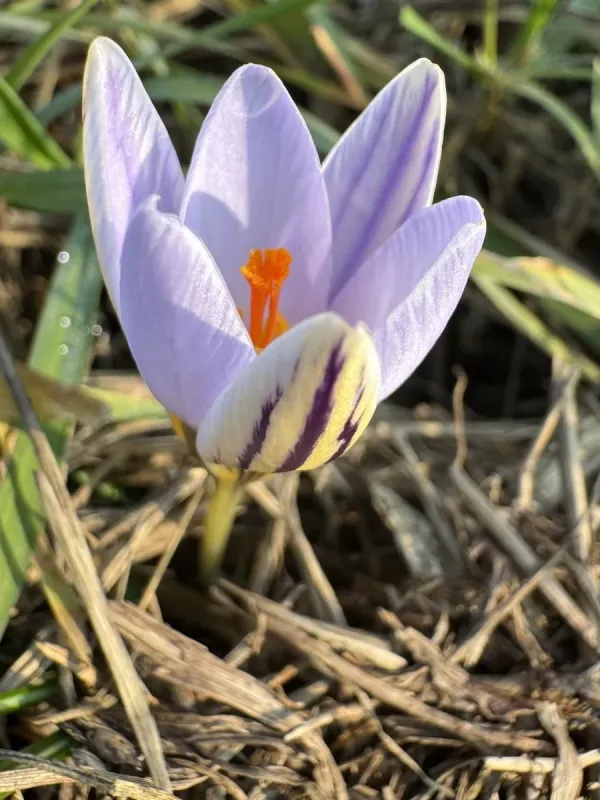
Description
Sowing dates
The Silvery crocus (Crocus biflorus) is a bulbous perennial member of the Iridaceae family. The optimal time for planting bulbs is in late summer or early autumn to allow for proper root establishment before the soil freezes.
Bulbs should be planted at a depth of approximately 7–10 centimeters. The specific depth depends on the soil texture; lighter soils allow for slightly deeper planting, while heavier soils require shallower placement.
Spacing is essential for the health of the plants, with a recommended distance of 5–10 centimeters between individual bulbs. Proper spacing prevents moisture buildup, which is a major factor in bulb rot.
Propagation is typically achieved through the natural division of corms. After the foliage has yellowed and dried, the corms are lifted, separated, and replanted to ensure the vigor of the colony.
Seed propagation is also an option, primarily for breeding purposes. It requires a cold stratification period and usually takes several years for the resulting plants to reach maturity and produce their first blooms.
Growing requirements
This species thrives in well-drained, sunny locations. It is highly adapted to rocky, well-aerated soils and struggles in areas where water tends to pool, which can lead to fungal infections.
Neutral to slightly alkaline soil pH is preferred. If the garden soil is clay-heavy, amendments such as sharp sand or horticultural grit are necessary to improve drainage and prevent the roots from suffocating.
The Silvery crocus is very hardy and can withstand freezing temperatures, as it is native to mountainous regions of Southern Europe and the Middle East. It is well-suited for rock gardens and naturalized lawn areas.
Proper water management is critical; the plants require moisture during their growing season but should be allowed to remain dry during their summer dormant phase to prevent bulb deterioration.
Minimal fertilizing is usually sufficient. A light application of balanced fertilizer early in the spring, just as the foliage emerges, is enough to support robust growth and successful bulb production for the following year.
Main diseases and pests
The most common disease issues include Penicillium rot and other fungal infections, which are almost always linked to poor drainage or overly wet storage conditions for the bulbs.
Rodents, particularly voles and mice, are a significant pest for crocus plantings. They are attracted to the nutritious corms and can cause extensive damage to a colony within a short timeframe.
Insects like thrips can damage the leaves and emerging buds, leading to unsightly patches or deformed flowers. Monitoring and using appropriate insecticides can help mitigate these infestations.
- Fusarium wilt
- Root mites
- Wireworms
- Viral mosaic
The best defense against pests and diseases is a combination of good site selection, excellent drainage, and careful inspection of bulbs before planting to ensure only healthy material is introduced into the garden.