
Golden Crocus
Crocus chrysanthus (Herb.) Herb.
Description
Sowing dates
Planting of Crocus chrysanthus bulbs is primarily conducted in the autumn season, approximately from late August to October, before the onset of persistent frosts.
The optimal time for planting is determined by soil temperature: it should cool down to 8–10 degrees Celsius, which promotes high-quality root establishment before winter.
In cases of spring planting, if bulbs are acquired late, flowering may be less abundant or shifted to later dates during the first year of vegetation.
The planting depth of the bulbs depends directly on the size of the planting material and soil structure, typically ranging from 5 to 10 centimeters.
It is important to maintain distance between plants, leaving about 7–10 centimeters to provide sufficient feeding area and prevent overcrowding in subsequent years.
Growing requirements
The Golden Crocus belongs to the Iridaceae family and is an undemanding perennial cormous plant that requires sunny, wind-protected areas for optimal growth.
The crop prefers light, well-drained, fertile soils with a neutral or slightly acidic reaction, as water stagnation is detrimental to the bulbs.
In its natural habitat, the species grows in the mountainous regions of the Balkans and Asia Minor, making it well-adapted to temperature fluctuations and wintering in open ground.
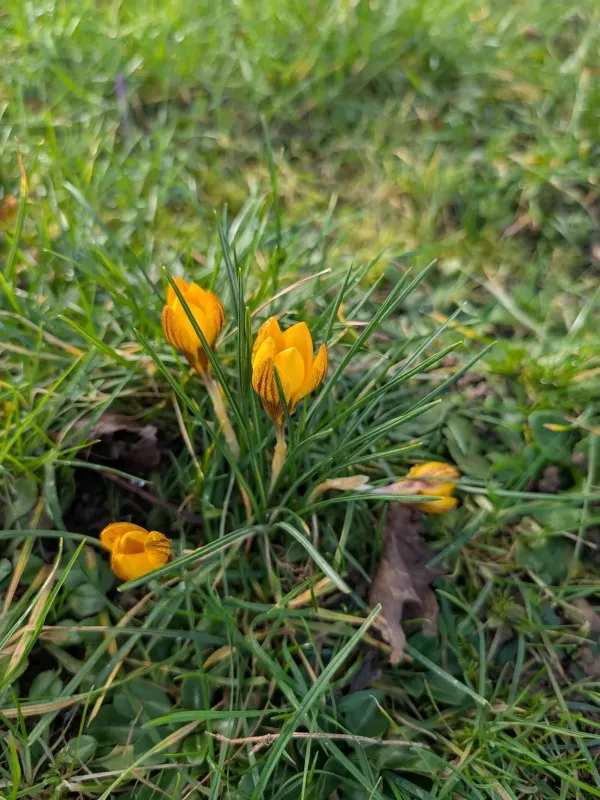
The plant exhibits high ornamental value thanks to its golden-yellow flowers, which appear among the first after snowmelt, signaling the start of the spring season.
During the active vegetation period, the crocus requires moderate moisture, whereas during the summer dormancy period, the bulbs need dry conditions for successful maturation.
Main diseases and pests
The main threat to crocuses is posed by rodents, particularly mice and voles, which can consume the bulbs during the winter and early spring period.
In cases of excessive soil moisture, plants are frequently affected by fungal diseases such as grey rot or penicilliosis, which cause softening of the corm tissues.
Viral infections are also possible, with symptoms including petal deformation and the appearance of uncharacteristic light spots on the leaf blades.
For the prevention of rot, it is recommended to treat the bulbs with fungicide solutions before planting and ensure proper drainage of the planting site.
If damaged bulbs are detected, they must be immediately removed from the soil and disposed of to prevent the spread of infection to healthy specimens.