
Spring crocus
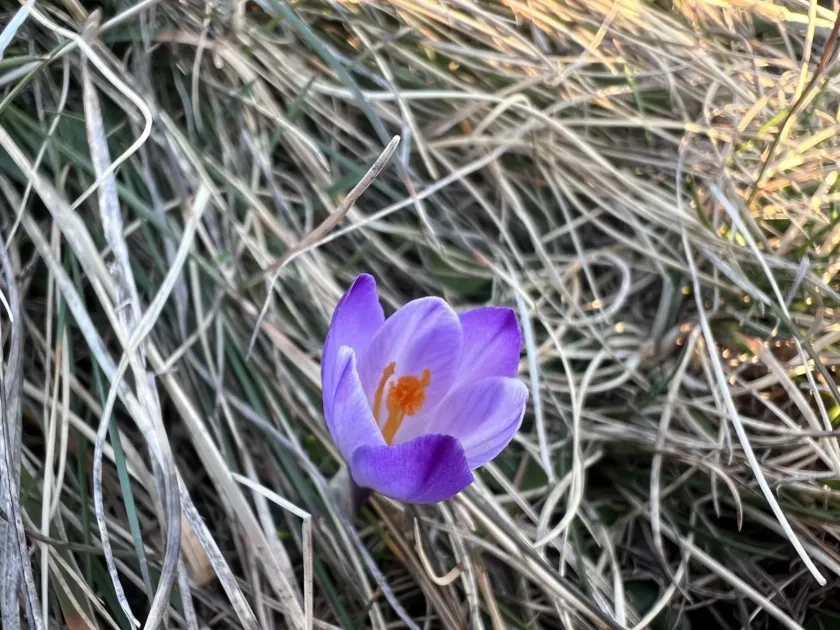
Crocus vernus (L.) Hill
Description
Sowing dates
The spring crocus (Crocus vernus), a member of the Iridaceae family, is a perennial cormous plant. Planting is primarily carried out in the autumn, ideally 3–4 weeks before the first hard frost, allowing the corms to establish roots before the winter dormancy.
The optimal planting window ranges from late August to October. Fall planting ensures that the plant undergoes the necessary cold stratification, which is critical for strong stem development and consistent flowering in early spring.
Planting depth depends on the size of the corm: large ones are buried at 8–10 cm, while small cormels are planted at a depth of 3–5 cm. A spacing of 7–10 cm between plants is recommended to allow for adequate growth and airflow, preventing overcrowding.
Prior to planting, it is highly recommended to treat the corms with fungicides to mitigate the risk of soil-borne pathogens. This step is crucial for maintaining a healthy plant population and preventing rot in colder or wetter soils.
Propagation is primarily vegetative, through the formation of daughter corms. This ensures rapid expansion of the clump over several seasons, provided that the growing conditions remain optimal for the plant's development.
Growing requirements
Spring crocus thrives in well-lit areas with protection from strong winds. While they can tolerate light shade, full sun exposure during the early spring is essential for maximizing flower production and the health of the foliage.
The soil should be light, well-draining, and slightly acidic to neutral. Heavy clay soils, which tend to retain excessive moisture, must be amended with sand or organic material to prevent the corms from rotting during the winter and early spring.
Water requirements are moderate, especially during the active growth period. Overwatering during cooler weather can lead to serious root rot, so proper drainage and moisture management are the cornerstones of successful cultivation.
Nutritional management is beneficial; applying phosphorus and potassium-rich fertilizers supports the development of robust replacement corms, ensuring the plant has enough energy reserves for the following season's growth.
While the species is hardy, mulching with compost or organic material in regions with severe, snowless winters can provide necessary protection against deep soil freezing and desiccation.
Yield
Yield in crocus cultivation is primarily measured by the production of high-quality corms and the ornamental success of the blooming period. A single mature corm can produce several daughter cormels within a single growing cycle.
Productivity is directly linked to the frequency of lifting and dividing the clumps. Every 3–4 years, the clumps should be excavated and divided to prevent overcrowding, which otherwise leads to smaller flowers and higher disease incidence.
In commercial operations, yield management involves optimizing plant density and soil fertility to produce uniform, high-quality corms for trade or forced indoor blooming. Attention to detail in post-harvest handling is essential for maintaining product quality.
Quality parameters for corms include a healthy, undamaged skin, firm texture, and the absence of signs of disease or pest activity. Proper grading by size is standard practice for professional growers to ensure consistent outcomes.
Modern breeding programs focus on increasing the vigor of the corms and improving resistance to environmental stress, ensuring that the stock remains productive throughout several years of cultivation in field conditions.
Main diseases and pests
Fungal pathogens represent the most significant threat to the crop. Species such as Sclerotinia bulborum cause soft rot in corms, often leading to sudden yellowing and collapse of the plant's above-ground parts during the spring growth phase.
Viral infections, such as the mosaic virus, pose a long-term risk. There is no cure for these, necessitating the immediate removal and destruction of symptomatic plants to prevent spread via insect vectors like aphids or thrips.
Pests, particularly rodents, can cause severe losses by feeding on the corms during the winter. Physical barriers and protective measures are necessary to safeguard the planting in regions with high rodent activity.
Wireworms and bulb mites also pose a risk, as they damage the subterranean parts of the plant, creating entry points for secondary infections and weakening the overall vigor of the crocus population.
- Fusarium wilt
- Botrytis (Gray mold)
- Onion bulb mite
- Aphids
Harvesting
Harvesting should occur once the foliage has completely yellowed and withered, typically in mid-summer. Harvesting too early can result in immature corms that have poor storage life and low survival rates during the winter.
After excavation, the corms should be cleaned of soil and debris, then cured in a shaded, well-ventilated area. Curing is essential to ensure that the outer tunics are dry and that the corms are prepared for long-term dormancy.
Storage should be maintained in a cool, dry environment with temperatures between 15–20°C. High humidity levels must be avoided to prevent moisture-related decay and premature rooting before the planting season.
For commercial growers, specialized equipment is used to lift the corms, with settings carefully adjusted to avoid mechanical damage. Damaged corms are highly susceptible to disease and must be separated from the healthy stock.
The final storage phase involves packing the corms in breathable containers, such as mesh bags or crates, to ensure consistent airflow and prevent the buildup of heat, which could trigger unwanted physiological activity.