
Crocus tommasinianus
Crocus tommasinianus Herb.
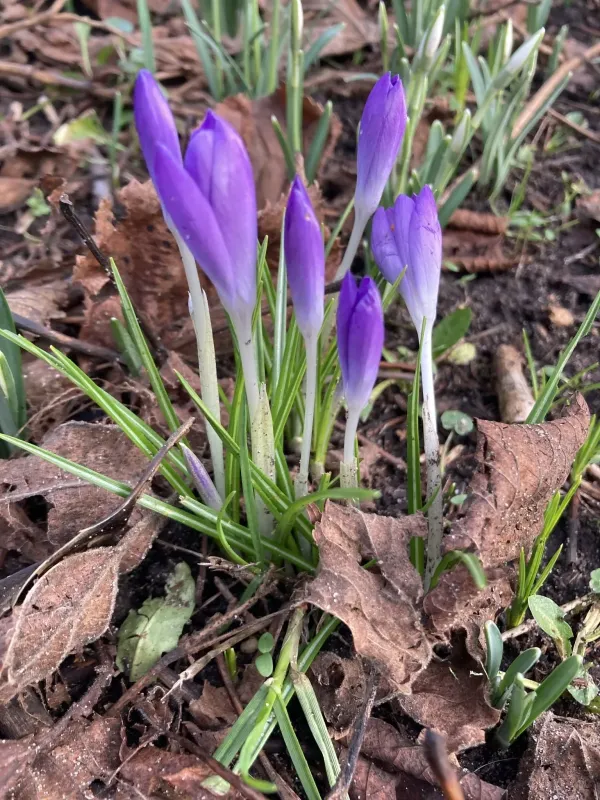
Description
Sowing dates
Crocus tommasinianus, a member of the Iridaceae family, is a highly prized early-flowering bulbous plant native to the Balkans. The ideal planting time for these corms is autumn, specifically from late August through October, before the ground freezes.
To ensure successful overwintering and early spring growth, corms should be planted well before the arrival of hard frosts. This timing allows the root system to establish itself effectively in the soil.
Plant the corms at a depth of 5 to 10 cm, depending on soil texture. In light, sandy soils, deeper planting is preferred, while in heavier clay soils, a shallower depth is more appropriate to prevent moisture stagnation.
For a naturalized look, scatter the bulbs randomly across the planting area rather than in rigid lines. Maintain a distance of 5–7 cm between bulbs to allow for natural clumping and propagation over several years.
Adding a light layer of compost or leaf mulch after planting will provide extra protection against fluctuating temperatures during the first winter season.
Growing requirements
This species thrives in sunny to semi-shaded positions, making it perfect for planting beneath deciduous trees where it receives sunlight before the leaves fully emerge in spring.
Soil should be well-drained and relatively fertile. Like most crocus species, Crocus tommasinianus will quickly succumb to rot if planted in heavy, waterlogged soils without proper aeration.
The plant is highly frost-tolerant and requires no extra covering, even in colder climates. It naturalizes easily, often forming large drifts that return year after year without human intervention.
During the spring growth phase, consistent moisture is beneficial. However, once the foliage begins to fade and turn yellow in late spring, the bulbs require a dry period to enter dormancy.
Fertilization is rarely needed in healthy garden soil, but a light application of a potassium-rich fertilizer during the early spring growth stage can help maintain vigor and improve flowering.
Main diseases and pests
Rodents, particularly mice and voles, are the primary pests for crocus corms. They often find the corms during the winter months, leading to significant damage in garden beds.
Fungal diseases such as Penicillium rot and Botrytis are common if drainage is poor. Ensuring that the soil does not remain saturated is the most effective preventative measure against these infections.
Thrips can occasionally infest the leaves, causing discolored patches and stunted growth. If an infestation is detected, insecticidal soap or specialized horticultural oils can be applied.
Wireworms and beetle larvae may damage the corms by tunneling into them. Preventive treatment of the soil with appropriate biological or chemical agents is recommended in areas with known infestations.
Viral infections may occur, manifesting as color streaks on the petals or deformed foliage. Since these are untreatable, affected plants should be promptly lifted and discarded.