
Bosphorus crocus
Crocus speciosus M. Bieb.
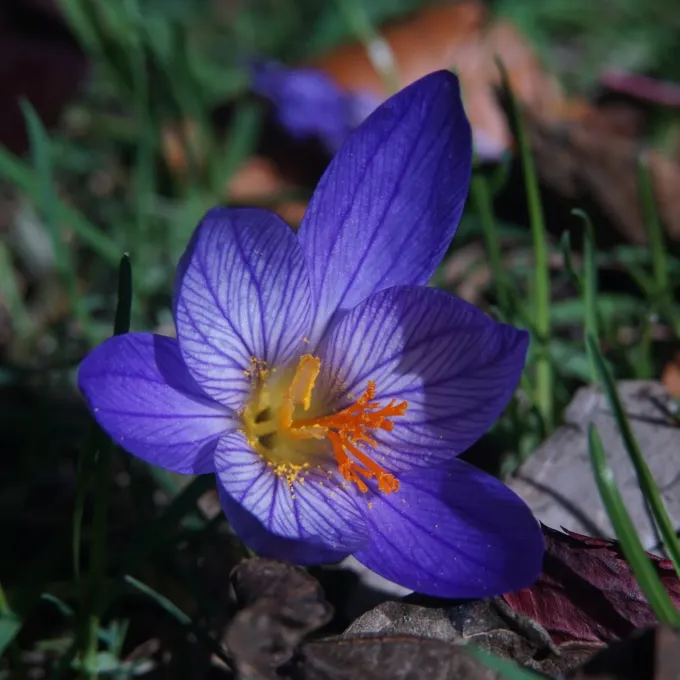
Description
Sowing dates
The ideal planting window for Crocus speciosus corms is late summer to early autumn, typically August or September. Early planting allows the root system to establish itself before the soil temperature drops significantly.
Corms should be planted at a depth of approximately 8–10 cm depending on soil texture. In heavier soils, planting slightly shallower is recommended to avoid oxygen deprivation, while in sandy soils, deeper planting is preferred.
Maintain a spacing of at least 8 cm between corms to ensure adequate ventilation. This spacing reduces the risk of fungal spread and allows the plant to form healthy offsets without being crowded by neighbors.
The plants should be divided every 3 to 4 years to maintain flower size and plant vigor. After the foliage has completely turned yellow and died back, the clumps can be carefully lifted, separated, and replanted.
Once lifted, corms should be cleaned of soil and debris, then stored in a dry, cool, and well-ventilated location until they are ready to be put back into the ground for the new season.
Growing requirements
Crocus speciosus, commonly known as the Bosphorus crocus, belongs to the Iridaceae family. This perennial bulbous plant is native to Southeastern Europe and Western Asia, where it typically thrives in meadows and woodland edges.
The plant requires well-drained, fertile, and light soil to thrive. It is highly sensitive to waterlogged conditions, which can cause the corms to rot rapidly if drainage is not properly managed during the dormant phase.
Exposure to full sunlight is essential for optimal flowering. While the plant can tolerate partial shade, insufficient light often results in elongated foliage and a significant reduction in the number of blooms produced.
This species is well-adapted to temperate climates and demonstrates excellent winter hardiness. It does not require special winter protection in most regions, although a light layer of mulch can protect the soil from excessive freezing.
In terms of mineral nutrition, the plant prefers soils with balanced potassium and phosphorus levels. High nitrogen levels should be avoided, as they promote excessive leaf growth at the expense of flower production.
Main diseases and pests
The most significant threats to Crocus speciosus are fungal diseases such as basal rot and Penicillium mold, which are directly related to poor soil drainage and excessive humidity during the summer dormancy.
Rodents, particularly field mice and voles, pose a constant threat to corms during the winter months. Planting the corms in protective wire mesh baskets is an effective strategy for deterring these pests in garden settings.
Thrips and aphids can occasionally attack the foliage, leading to yellowing or distorted leaves. Monitoring the plants during the active growing season is crucial for the early detection and management of these insect infestations.
The species is also susceptible to viruses transmitted by sucking insects, which may cause mosaic-like patterns on leaves and petals. Infected plants should be promptly removed and destroyed to prevent spreading.
Regular sanitation of the planting site, including the removal of dead plant material and debris, helps minimize the overwintering of pathogens and maintains a healthy environment for the crocuses.