
Etruscan crocus
Crocus etruscus Parl.
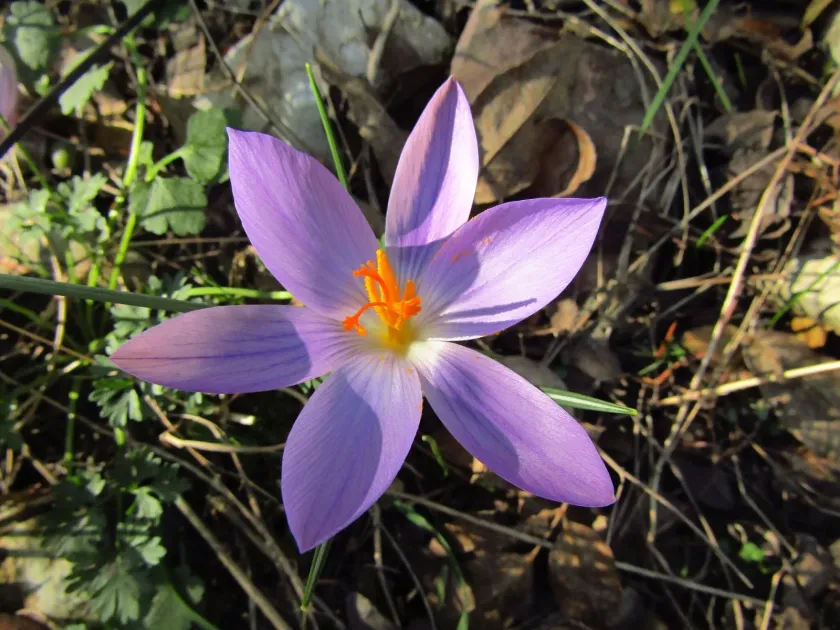
Description
Growing requirements
The Etruscan crocus (Crocus etruscus) is a perennial bulbous plant belonging to the Iridaceae family. Native to the Tuscan region of Italy, it thrives in environments characterized by distinct seasonality, requiring well-defined periods of growth and dormancy.
The culture requires well-drained, porous soils to thrive. It is particularly sensitive to waterlogging during the summer months, which is its natural dormant period; thus, elevated or sloped planting sites are highly recommended for optimal results.
Sunlight is a critical requirement for this species. It should be planted in areas receiving full sun to ensure the bulb accumulates sufficient energy reserves. Insufficient light leads to stunted growth and reduces the intensity of its distinctive violet-purple floral display.
Agrotechnical management involves careful soil preparation, focusing on incorporating gritty materials to enhance drainage. Neutral to slightly acidic soil conditions are ideal, providing the necessary minerals for the plant to complete its short vegetative cycle.
In terms of usage, the Etruscan crocus is primarily cultivated for its high ornamental value in rock gardens and naturalized landscapes. Its early spring emergence makes it a valuable asset for maintaining floral continuity in garden design.
Main diseases and pests
Grey mold (Botrytis) is a significant threat to the Etruscan crocus, especially during damp spring weather. This fungal pathogen can rapidly destroy foliage and soft tissues if humidity levels remain excessively high for extended periods.
Pests such as field mice and voles frequently target the nutritious bulbs during the winter dormancy period. Installing underground hardware cloth or wire mesh baskets is a standard defensive measure used by professional growers to protect the plant stocks.
Aphids can also pose a risk, as they act as vectors for various plant viruses that cause streaking and color breaking in the petals. Regular monitoring and, if necessary, the application of insecticidal soap are effective management strategies.
Root rot caused by Rhizoctonia species is another common issue resulting from poor sanitation or the use of contaminated planting medium. Sterilization of tools and careful handling of bulbs are essential to prevent the spread of soil-borne pathogens.
An integrated approach to plant health is necessary, combining clean planting practices with regular site maintenance. By ensuring adequate spacing and removing debris, the conditions favoring the development of these threats can be effectively mitigated.