
Welden's Crocus
Crocus weldenii
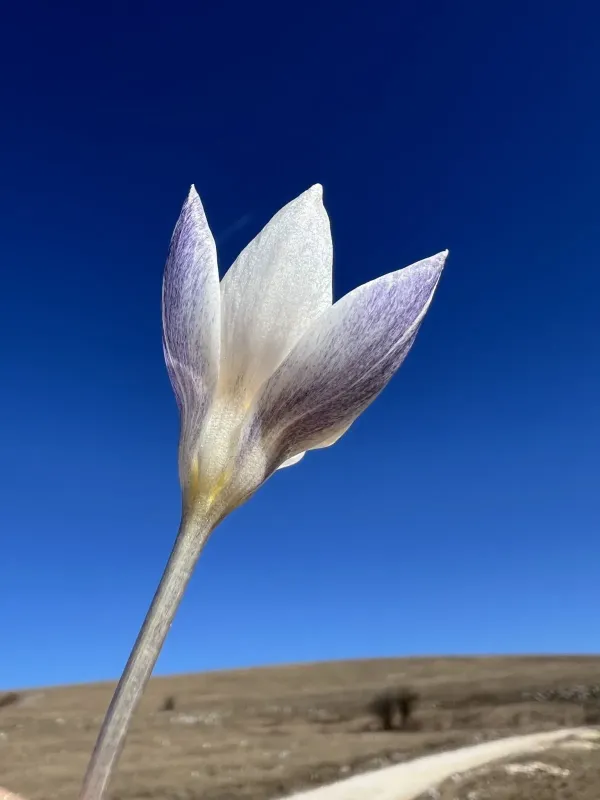
Description
Sowing dates
Planting of Welden's Crocus corms is mainly carried out in autumn, approximately 3 to 4 weeks before the onset of persistent frosts. This period is necessary for the crop to successfully establish roots and prepare for the spring growth cycle.
The planting depth depends on the size of the corm and soil texture, usually ranging from 5 to 10 centimeters. In light sandy soils, deeper planting is permissible to provide protection against temperature fluctuations.
Maintaining proper spacing between plants is crucial for preventing overcrowding. The optimal distance is 8 to 10 centimeters, which ensures sufficient nutrition and air circulation for each individual plant.
After planting, the area should be watered moderately if the soil is dry. In regions with harsh winters, additional mulching of the surface with organic materials is recommended to prevent frost heaving.
Welden's Crocus belongs to the Iridaceae family and is a valuable perennial cormous plant. Its biological value lies in its early flowering period and high adaptability to the specific conditions of rock gardens.
Growing requirements
For full development, Welden's Crocus requires sunny, open areas protected from strong winds. The plant is extremely sensitive to shading, which triggers the stretching of flower stems and weakens the corm.
The soil must be light, structural, and possess excellent drainage properties. Stagnant moisture is fatal for the root system and often leads to the development of rot during the dormancy period.
The optimal pH level of the substrate is neutral or slightly alkaline. If the soil on the site is heavy and clayey, it is necessary to add coarse sand or gravel to improve aeration and water drainage.
The crop demonstrates high winter hardiness in its natural habitat on the mountain slopes of the Balkan Peninsula. However, under cultivation, it requires protection from excessive autumn moisture, which can trigger premature sprouting.
Regular mineral fertilization is performed during the active leaf growth phase. The use of fertilizers with low nitrogen content and a higher concentration of potassium promotes the formation of a healthy replacement corm.
Main diseases and pests
The main phytopathological risk for this species is grey mold, which develops when moisture conditions are disrupted. Affected corms become soft and emit a specific odor, requiring the immediate disposal of diseased specimens.
Viral infections, such as color-breaking in petals, can significantly reduce the ornamental value of the culture. Sucking insects often act as the main vector for viral transmission, so controlling their population is mandatory.
Among pests, rodents (voles) pose the greatest danger, as they consume succulent corms during the winter period. To protect against them, the use of special wire mesh baskets during planting is recommended.
Wireworms and mole crickets can also cause mechanical damage to the underground part of the plant. If traces of pests are detected in the soil, the use of targeted insecticides is recommended.
Slugs and snails, which become active during rainy weather, can consume tender leaf blades in the spring. Using barriers made of wood ash or gravel is effective for limiting their access to the plants.