
Veluch saffron
Crocus veluchensis
Description
Growing requirements
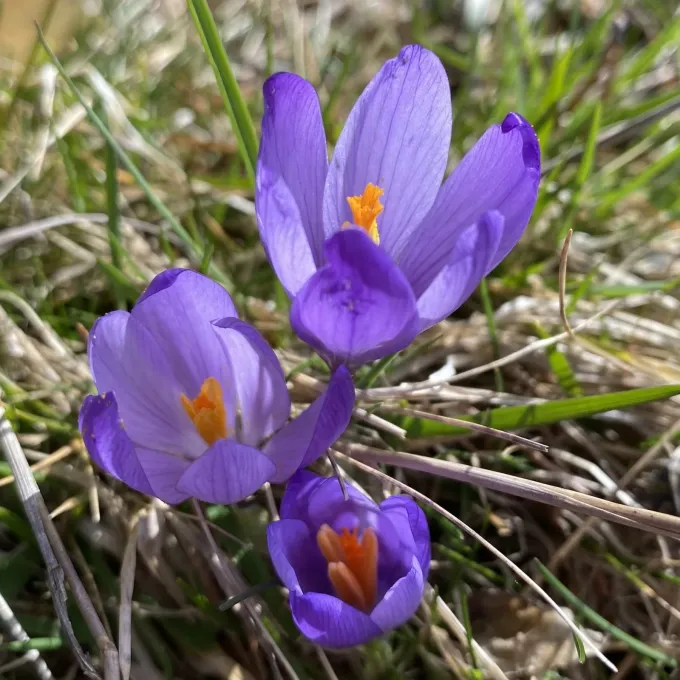
Veluch saffron (Crocus veluchensis) is a perennial bulbous plant belonging to the Iridaceae family. It is native to the Balkan mountains, typically thriving in subalpine meadows and rocky terrain.
The plant is biologically adapted to harsh alpine conditions, showing distinct growth cycles that begin immediately after the snow melts in early spring. Its structure consists of a corm covered in tunics, from which narrow, grass-like leaves emerge.
Successful cultivation requires soil that mimics its natural habitat: sandy, stony, and exceptionally well-drained. Heavy clay soils are unsuitable and will likely lead to corm rot during the dormant season.
Climatic requirements center on cold winter temperatures and cool growing conditions. Exposure to excessive summer heat should be avoided, making it an ideal choice for cool-climate rock gardens or alpine collections.
Standard agrotechnical practices include planting corms in late autumn at a depth of approximately 5–10 cm. While it does not require significant fertilization, a light dressing of mineral fertilizer before the growth stage can enhance vitality.
Main diseases and pests
The primary threat to Crocus veluchensis is fungal pathogens, specifically those causing basal rot. This is often an indirect consequence of waterlogged soil conditions.
Rodents such as voles are significant pests in the garden environment. They frequently consume the starch-rich corms during the winter months, leading to sudden losses of entire plantings.
Aphids can also pose a risk during the rapid growth phase, congregating on the succulent stems and leaves, which may stunt the plant's overall development.
Prevention involves strategic site selection, ensuring the soil is light and porous. Incorporating coarse sand or fine gravel into the planting holes is an effective way to improve drainage.
Regular monitoring of the garden area is advised, especially in early spring. If infestations are spotted, targeted treatments or physical barriers (such as wire mesh baskets) may be necessary to protect the bulbs.