
Valley saffron
Crocus vallicola
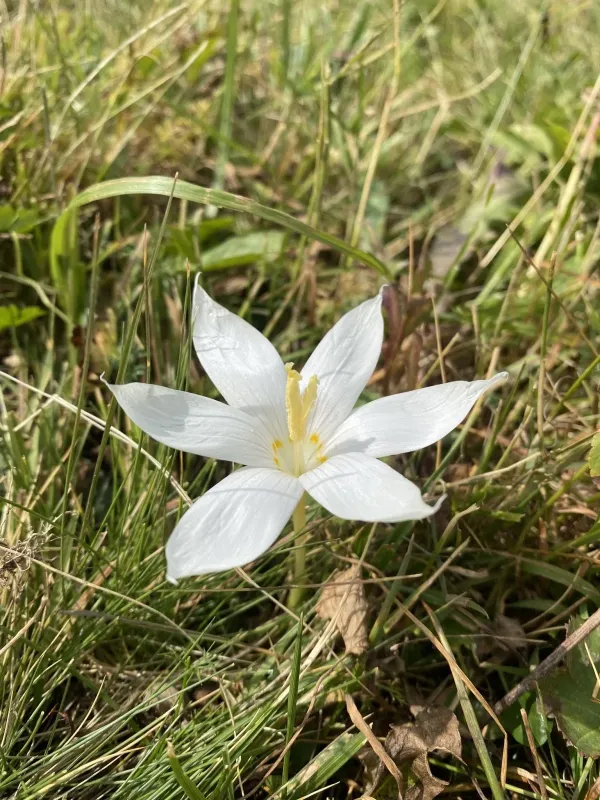
Description
Growing requirements
Valley saffron (Crocus vallicola) is a perennial herbaceous bulbous plant belonging to the Iridaceae family. Native to the mountainous regions of the Caucasus and Turkey, this species thrives in subalpine meadows and stony slopes.
The plant requires well-drained, porous soil to prevent bulb rot. A mix of sand, grit, and organic matter is ideal for replicating the natural mountain soil conditions that the species prefers.
Crocus vallicola is well-adapted to high-altitude climates, tolerating cold winters and distinct seasonal changes. It requires full sunlight during its growing season to properly accumulate nutrients for the subsequent flowering period.
Proper aeration is essential for the bulb's health. Planting in raised beds or rock gardens often provides the necessary environment to protect the plants from excess water accumulation during the rainy spring season.
The species demonstrates high resilience to temperature fluctuations typical of its native mountain habitats. However, it requires a dry dormancy period during the summer months to ensure successful regrowth in autumn.
Main diseases and pests
The most significant threat to Crocus vallicola is the development of fungal infections, particularly those affecting the basal plate of the bulb. High humidity levels combined with poor drainage are the primary triggers for these issues.
Botrytis (gray mold) can manifest during mild, damp winters, covering the foliage and eventually spreading to the underground tissues. Maintaining air circulation around the plants is a critical preventative measure.
Rodents, including voles and mice, pose a constant danger to the bulbs. Utilizing specialized planting cages or wire mesh baskets can effectively secure the bulbs against these pests.
Root-knot nematodes can weaken the plants, leading to stunted growth and reduced flower production. Regular inspection and avoiding the reuse of infected soil are standard agricultural practices for control.
Slugs and snails can consume the young, emerging shoots in early spring. Targeted pest control methods, such as copper barriers or eco-friendly baits, are recommended to protect the emerging vegetation.