
Crocus sieberi
Crocus sieberi
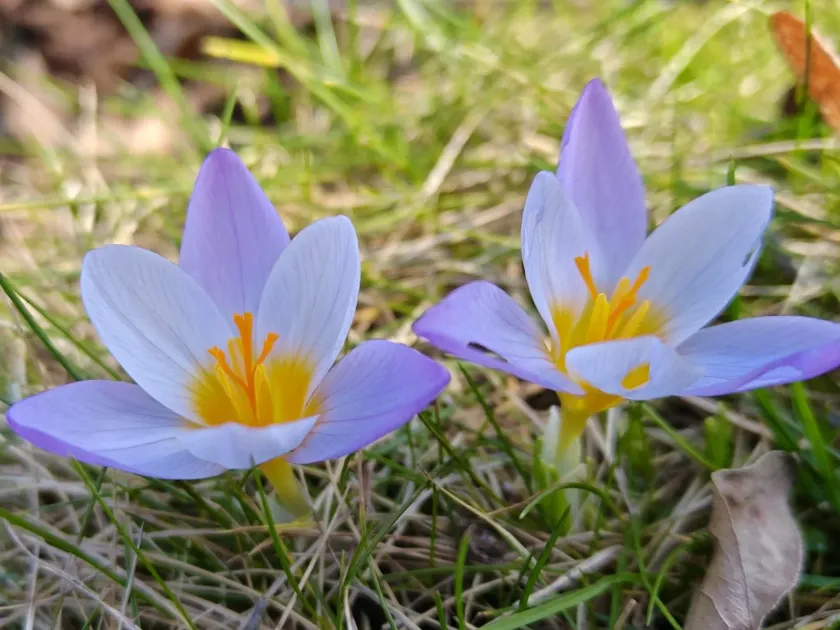
Description
Sowing dates
Planting of Crocus sieberi bulbs in open ground is typically performed during the autumn period, several weeks before the onset of sustained frost.
The optimal planting window occurs between September and October when soil temperatures drop to 10–12 degrees Celsius, facilitating successful root establishment before winter.
The recommended planting depth ranges from 5 to 10 centimeters, depending on the size of the bulb and the texture of the soil profile.
In light, sandy soils, bulbs should be planted slightly deeper, while in heavy clay soils, maintaining a shallower depth helps prevent waterlogging and rot.
Spacing between plants should be maintained at 5–8 centimeters in group plantings to ensure adequate space for vegetative propagation and clump development.
Growing requirements
Crocus sieberi belongs to the Iridaceae family and is a low-growing perennial ephemeral native to the mountainous regions of Greece and the Balkan Peninsula.
The plant has significant light requirements; for vigorous flowering and energy storage, it needs sunny, open locations that warm up quickly in early spring.
Well-drained, porous soils with a neutral to slightly alkaline pH are preferred, as stagnant moisture is detrimental to the survival of the corms.
During the active growing season, moderate moisture is essential, but once the foliage begins to yellow after flowering, watering should be stopped to allow for dormancy.
This species shows remarkable adaptation to the temperature fluctuations typical of mountain climates, making it suitable for a wide range of temperate gardens.
Main diseases and pests
The primary threats to Crocus sieberi plantings include small mammals like mice and moles, which may consume or damage the corms during the dormant period.
Excessive soil moisture and poor drainage often lead to fungal infections, such as bulb rot or Fusarium, which can destroy the root system.
Viral and bacterial infections are common when using low-quality planting material or when soil conditions are too moist and cool for an extended time.
Pests such as thrips and bulb mites can weaken the plant, resulting in stunted growth, distorted flowers, and a overall decline in the health of the population.
Preventative measures include avoiding fresh manure, ensuring excellent drainage, and thinning out overcrowded clumps to maintain air circulation.
Harvesting
Harvesting or lifting of Crocus sieberi bulbs should be done only after the foliage has fully withered and turned yellow, signaling the end of the vegetative cycle.
It is recommended to lift and divide the clumps every 3 to 5 years to prevent overcrowding and to ensure that the plants have sufficient nutrients for continuous blooming.
After lifting, the bulbs must be cleaned of soil, dried thoroughly in a shaded, well-ventilated area, and sorted to remove any damaged or diseased specimens.
Bulbs should be stored in a cool, dry place with good air circulation until the next planting season to ensure their vitality and prevent premature sprouting.
Proper harvesting and post-harvest handling are crucial for maintaining the vigor of the species and maximizing the multiplication rate of the bulbs.