
Late crocus
Crocus serotinus
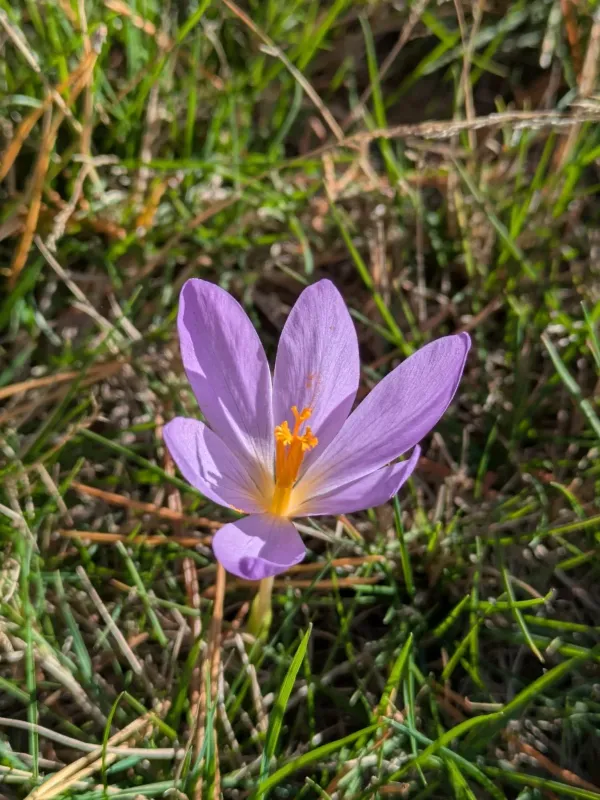
Description
Sowing dates
The late crocus (Crocus serotinus) belongs to the Iridaceae family and is a perennial cormous plant that blooms in autumn. Bulbs should be planted in late summer or early autumn to ensure they root well before the first frosts arrive.
The optimal time for planting in open ground is from mid-August to mid-September. The planting depth for corms typically ranges from 7 to 10 centimeters, depending on the soil structure and drainage capacity of the site.
When creating decorative borders or groups, the spacing between corms should be between 5 and 10 centimeters. This provides sufficient space for proper development and nutrient storage for the following flowering season.
For container planting or forcing, schedules may vary, but it is crucial to ensure the bulbs undergo a natural cooling period. Planting material must be healthy, firm, and free from mechanical damage or mold.
Propagation of this culture primarily occurs vegetatively by separating daughter corms from the parent plant. This task should be performed during the dormancy period after the foliage has completely withered.
Growing requirements
This species has moderate environmental requirements, preferring sunny or semi-shaded areas protected from strong winds. Its natural range across the Iberian Peninsula makes it well-adapted to mild winters.
The soil should be light, well-drained, and rich in organic matter. Crocus serotinus is highly sensitive to waterlogging in the root zone, which can quickly lead to corm rot and total plant loss.
Substrate pH should ideally be neutral or slightly acidic. In heavier clay soils, it is recommended to incorporate coarse sand or aged compost to improve overall soil structure and drainage efficiency.
A moderate temperature regime is essential during the active growing season. In regions with harsh winters, plantings require mulching with peat, dry leaves, or evergreen boughs to protect against deep ground freezing.
Good agricultural practice involves regular but moderate watering during the leaf growth phase. During the summer dormancy period following flowering, additional irrigation is unnecessary and the soil should remain dry.
Main diseases and pests
Fungal diseases caused by excessive moisture pose the primary threat to the late crocus. These include various types of basal rot that damage the corm base and often lead to the death of the entire plant.
Pests such as the onion nematode can significantly impair the aesthetic appeal and vigor of the plantings. Infected plants should be identified, removed from the site, and destroyed immediately to prevent spread.
Rodents, such as mice and voles, often damage corms during the winter months. Using protective wire mesh during planting and regular monitoring of the site are effective preventive strategies against these pests.
Thrips may cause damage to the leaves by sucking sap and hindering plant development. Effective management includes the application of contact insecticides during the period of active green growth.
Strict adherence to crop rotation and regular treatment of planting material with fungicides before planting helps minimize the risk of crop failure and maintains the overall health of the collection.