
Scardus crocus
Crocus scardicus
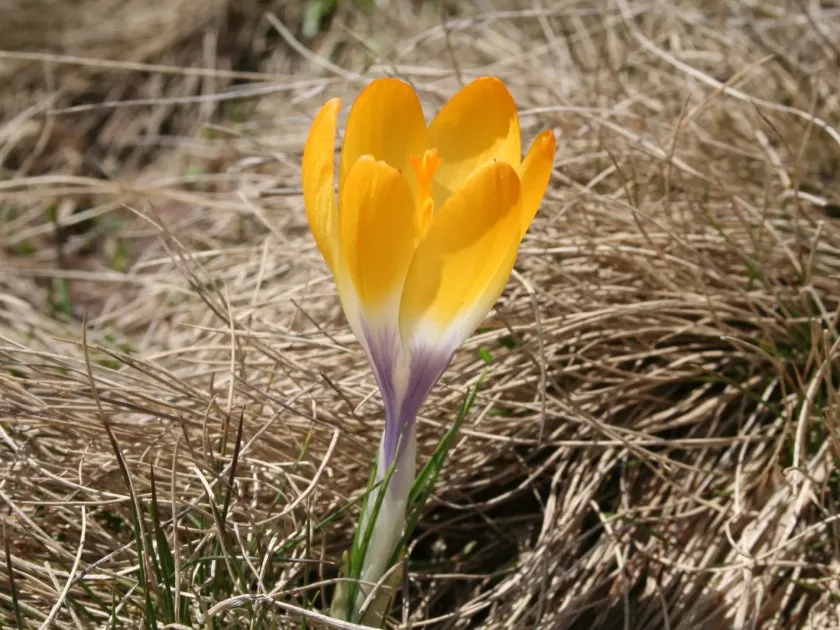
Description
Growing requirements
The Scardus crocus (Crocus scardicus) belongs to the Iridaceae family and is an alpine species native to the Balkan mountain ranges. It is highly adapted to rocky, well-drained slopes, which defines its specific requirements in agricultural and horticultural settings.
Botanically, this species is a cormous perennial, featuring narrow leaves with a distinctive white stripe. It blooms early, often emerging through snow cover in its natural habitat, which highlights its extreme tolerance to cold temperatures and alpine climate conditions.
For cultivation, the site must mimic its natural high-altitude environment. Excellent soil drainage is the most critical factor; the plant thrives in gritty, rocky substrates where water never stands. It requires a sunny location to ensure proper development during its short spring growing season.
Soil should be neutral to slightly alkaline, lean, and not overly enriched with organic matter. High levels of nitrogen can lead to excessive vegetative growth, which may reduce the plant's natural hardiness and result in fewer flowers in the following season.
The agricultural cycle involves a period of summer dormancy. During this phase, the soil must remain dry to allow the corm to ripen under the sun. Any disturbance during this dormancy period can disrupt the plant's biological rhythm and lead to poor performance.
Main diseases and pests
The primary threats to the Scardus crocus are fungal pathogens such as Fusarium oxysporum, which causes basal rot. This is often triggered by poor ventilation and waterlogged soil conditions, especially during the wetter months of the year.
Pests such as bulb mites and wireworms pose a significant risk as they feed on the corms below the surface. These pests can introduce secondary bacterial infections that rapidly destroy the vascular system of the plant, leading to stunted growth or death.
Rodents, particularly voles and field mice, are significant threats during the winter season. They actively search for nutrient-rich corms, which can lead to the total loss of a planting bed if protective measures are not implemented in time.
Cultural control is the best defense against disease. Proper spacing ensures adequate air circulation, which helps keep the soil surface dry and minimizes the conditions favorable for fungal growth. Avoiding over-irrigation during the dormant phase is crucial.
If chemical interventions are necessary, systemic fungicides used as a preventative dip for corms before planting can reduce the incidence of rot. Regular monitoring during the growing season allows for the removal of symptomatic plants before the infection spreads to healthy ones.