
Reticulated crocus
Crocus reticulatus
Description
Growing requirements
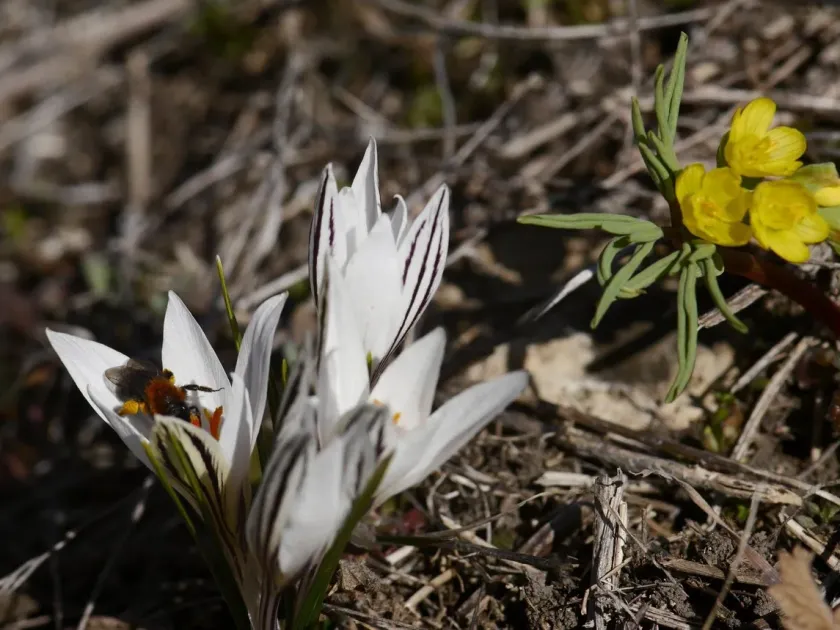
The reticulated crocus (Crocus reticulatus) is a perennial bulbous plant belonging to the Iridaceae family. It is distinguished by its fibrous, reticulated tunic covering the corm, which provides significant protection against environmental stressors.
The species is native to Central and Eastern Europe, as well as the Caucasus, typically growing in open forests, meadows, and rocky slopes. It is an ephemeral plant, completing its growth cycle in early spring before the summer dormancy begins.
Cultivation requires well-drained, fertile soil with a neutral to slightly alkaline pH. Proper aeration is crucial to prevent the bulb from rotting during the winter, especially in climates with significant rainfall or poor soil drainage.
The plant thrives in sunny locations that provide the necessary warmth for development. During the dormancy phase, the soil should ideally remain relatively dry, mimicking the natural conditions of the Mediterranean and steppe ecosystems.
In terms of horticulture, it is mainly valued for its early flowering period, making it a popular choice for rock gardens and naturalized lawn plantings. It requires minimal intervention once established in a suitable micro-environment.
Main diseases and pests
Fungal pathogens are the primary threat to Crocus reticulatus, particularly those that thrive in moisture-rich environments. Root and corm rots are the most common issues that can lead to total crop failure if left unmanaged.
Rodents, including voles and field mice, are significant pests as they frequently consume the nutritious corms. Installing protective barriers or using resistant planting techniques is often necessary in areas with high pest activity.
Insects such as aphids and thrips can cause damage to the foliage and buds during the active growing season. These pests not only diminish the appearance of the plants but can also act as vectors for various viral diseases.
Viral infections may cause mottling or distortion of the leaves, which significantly impacts the health and vitality of the population. There is no cure for such infections, so removal and destruction of infected bulbs are essential.
To maintain plant health, it is vital to avoid over-fertilizing with high-nitrogen products, which can make the plants more susceptible to pests and diseases. Integrated pest management strategies are recommended for long-term health.