
Crocus pallasii
Crocus pallasii
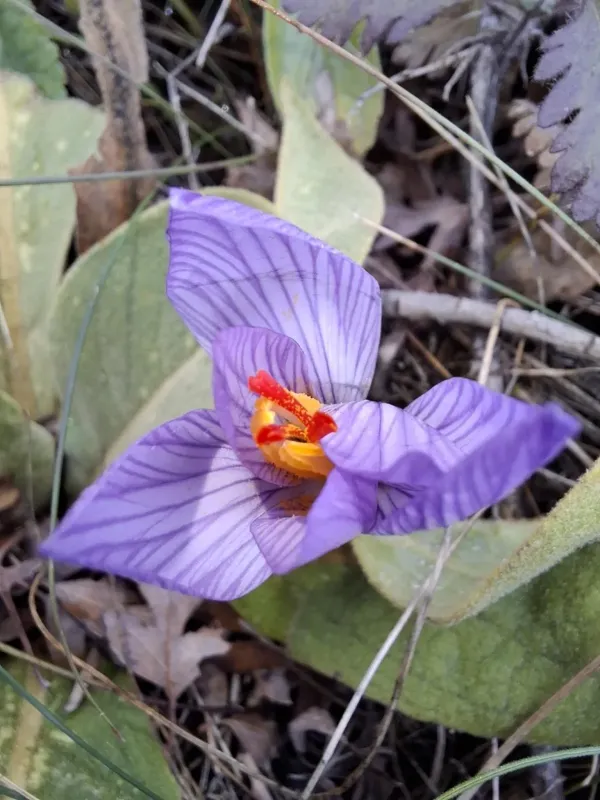
Description
Sowing dates
The planting of Crocus pallasii bulbs should be carried out in late summer or early autumn. As an autumn-flowering species, it is crucial that the bulbs establish their root system before the onset of cold winter temperatures.
The optimal window for planting is from mid-August through the end of September. Planting too late can result in insufficient root development, leading to weak flower production during the subsequent growing season.
Choose well-drained locations to prevent waterlogging, which is critical for bulb health. The planting depth should be approximately 8–10 centimeters, depending on the bulb size and the texture of the soil.
Maintain a planting distance of 5–10 centimeters between bulbs to ensure adequate airflow. Proper spacing is essential to reduce the humidity around the foliage and prevent the development of fungal pathogens.
Incorporating a layer of horticultural sand at the bottom of the planting hole is highly recommended. This practice improves drainage and protects the bulb base from excess moisture in the soil.
Growing requirements
Crocus pallasii belongs to the Iridaceae family and thrives in sunny positions with light shade. The species is native to regions with moderate climates and prefers well-drained, sandy-loam soils with a neutral pH.
During the plant's dormancy period, which occurs in the summer months, the soil should be kept relatively dry. This mimics the plant's natural habitat on rocky slopes, where it avoids excess moisture.
Fertilization should be handled with care, using balanced mineral fertilizers. High nitrogen levels should be avoided, as they may lead to excessive foliage growth at the expense of flower bulb quality.
The plant requires moderate moisture during the active growing season but is intolerant of waterlogged conditions. Ensuring a well-drained environment is the most important factor in the successful cultivation of this species.
In regions with harsh winters, a light mulch of dry leaves or peat can protect the bulbs from extreme frost. Generally, the species is hardy enough to survive winter provided that the soil is not saturated with water.
Main diseases and pests
Fungal diseases such as Penicillium rot pose a significant threat to Crocus pallasii, especially in poorly drained soils. The disease causes mold to grow on the bulbs, eventually leading to decay.
Fusarium wilt is another common problem that affects the basal plate of the bulb. Infected plants typically display stunted growth and yellowing, and if left untreated, the entire bulb population can be decimated.
Pests, particularly rodents like mice and voles, are known to feed on bulbs during the dormant season. Using protective underground cages or deterrents is an effective strategy for preventing such losses.
Insects like aphids and thrips can cause damage to leaves and flower buds by feeding on plant sap. Integrated pest management using systemic insecticides can mitigate these issues during the active growth phase.
To maintain plant health, it is vital to practice crop rotation. Do not plant crocus bulbs in the same area for more than 4-5 consecutive years, and always inspect bulbs for signs of damage before planting.