
Crocus olivieri
Crocus olivieri
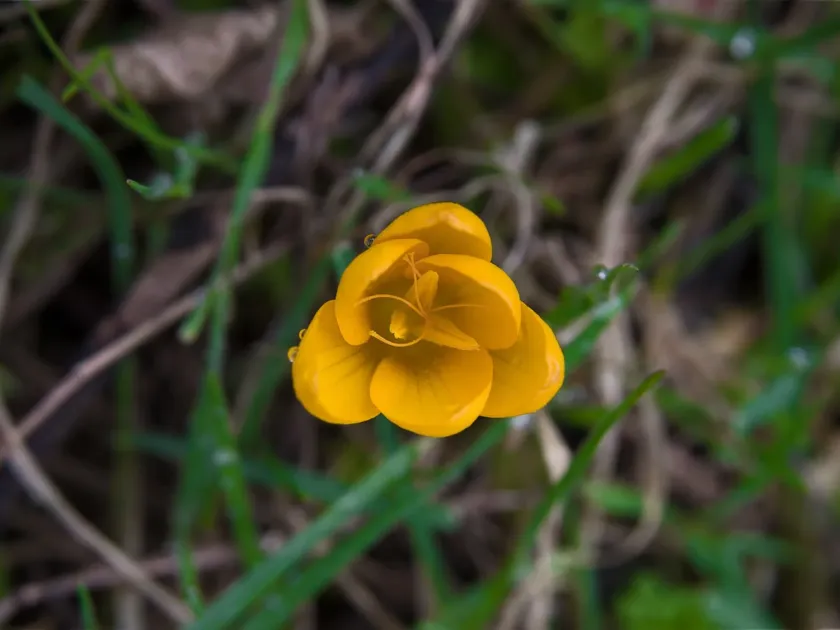
Description
Sowing dates
Crocus olivieri is a perennial cormous plant belonging to the Iridaceae family. Native to the Balkans, Greece, and Turkey, this species typically inhabits open rocky slopes and light woodlands, showcasing resilience.
The optimal planting time for corms is late summer to early autumn, allowing sufficient time for root establishment before the winter dormancy period begins and the ground freezes.
Corms should be planted at a depth of 5 to 10 centimeters, depending on the soil structure. A spacing of approximately 10–15 centimeters is recommended to ensure adequate room for growth and ventilation.
Seeds can be sown in cold frames immediately after harvesting. While this method is slower than vegetative propagation, it is essential for genetic diversity and the potential development of new varieties.
Vegetative propagation via cormlets is the standard horticultural practice. This method ensures that the offspring remain identical to the parent plant, preserving the unique characteristics of the species.
Growing requirements
Crocus olivieri thrives in sunny, well-drained environments. Drainage is critical; heavy soils should be amended with grit or coarse sand to prevent the corms from sitting in stagnant water, which leads to decay.
The soil should be neutral to slightly alkaline and rich in organic matter. While the plant can tolerate poor soil, it performs best when provided with a nutrient-balanced growing medium.
Regular moisture is required during the active spring growth phase to support floral development. However, once the plant enters summer dormancy, the soil must remain dry to facilitate the curing of the corm.
Temperature tolerance is a key trait, as the species is adapted to Mediterranean and temperate climates. It handles early spring fluctuations well but requires protection against late, severe frost.
Exposure to full sunlight is necessary to encourage healthy flowering. Shady positions often result in weak growth and reduced blooming, making an open, sunny aspect highly desirable.
Main diseases and pests
Fungal diseases such as Fusarium wilt and gray mold are the primary threats to this culture. These pathogens typically thrive in poorly drained soils or high-humidity environments, damaging the corm base.
Rodents, including mice and voles, are significant pests that often feed on dormant corms during winter. Using specialized wire or plastic planting baskets provides an effective physical barrier.
Insect pests like thrips and bulb mites can infest the foliage and corm tissues, significantly weakening the plant and reducing its vigor for the following growing season.
Slugs and snails may consume the tender spring flowers and foliage. Monitoring the garden during wet spells and utilizing natural deterrents can effectively mitigate these risks to the floral display.
Preventative measures include the selection of high-quality disease-free planting material, proper site selection to ensure good airflow, and avoidance of excessive nitrogen fertilization.
Harvesting
Seed harvesting should occur when the capsules begin to dry and change color from green to brownish-yellow, but before they open naturally to disperse the seeds into the surrounding soil.
Corm harvesting is performed after the foliage has fully withered and turned yellow, indicating that the plant has completed its cycle and the corm has stored sufficient energy for the next year.
Once lifted, corms should be cleaned of soil, dried thoroughly in a well-ventilated, shaded area, and inspected for any signs of mechanical injury or rot before being placed into storage.
Storage conditions must be cool, dry, and dark. Temperatures between 15 and 18 degrees Celsius are generally ideal to maintain corm viability and prevent premature sprouting during the storage period.
The separation of offsets from the mother corm is best done during the dormant phase. This process not only facilitates propagation but also helps to rejuvenate the planting beds.