
Naked autumn crocus
Crocus nudiflorus
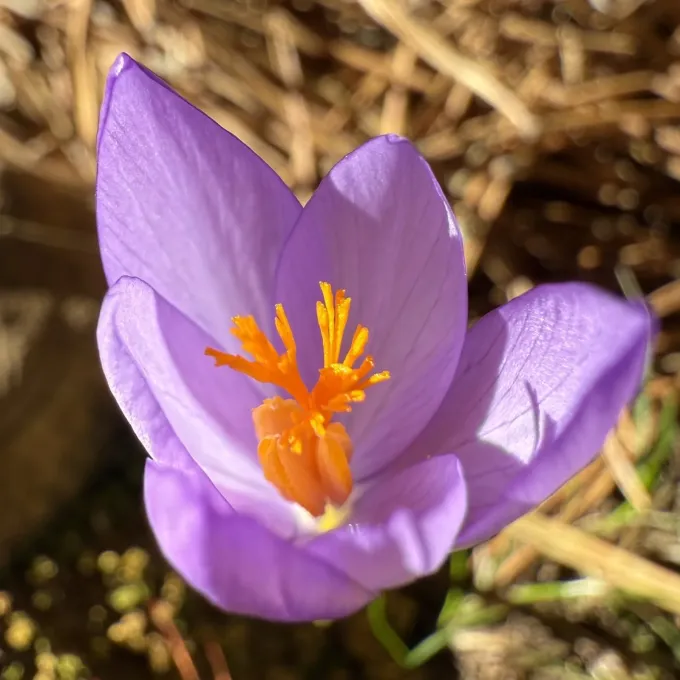
Description
Sowing dates
The planting of naked autumn crocus bulbs should take place in late summer or early autumn, well before the arrival of hard frosts. This timing allows the plant to adapt to the soil conditions and establish a root system before the dormant period.
The optimal planting depth for the bulbs is between 7 and 10 centimeters, depending on the soil texture. In heavier soils, planting should be shallower, whereas in lighter soils, the layer of earth covering the bulbs should be increased.
The spacing between individual plants should be at least 10–15 centimeters. This provides sufficient room for the daughter corms to develop and reduces competition for essential nutrients and water.
Choosing dry, well-ventilated locations is essential, as waterlogging during the autumn months can be fatal to the bulbs. Only healthy planting material, free from mechanical damage or signs of rot, should be selected.
After planting, it is recommended to mulch the soil with a layer of compost or peat. This provides protection against extreme temperature fluctuations and helps to maintain soil moisture during the rooting phase.
Growing requirements
Crocus nudiflorus belongs to the Iridaceae family and is distinctive due to its habit of flowering before the leaves emerge. Its native range is found in Southwestern Europe, particularly in the mountain ranges of the Pyrenees and France.
Successful cultivation requires well-drained, fertile loamy or sandy soils with a neutral or slightly acidic pH. The crop does not tolerate excessive moisture, which often leads to the development of bulb rot.
The plant thrives in sunny or semi-shaded positions. In agricultural settings, it is important to provide protection from strong winds that can damage the delicate petals during the peak flowering season.
As a perennial species, it can remain in the same location for up to five years. After this period, flowering may diminish due to the overcrowding of corm clusters, necessitating division and replanting.
The species is well-adapted to temperate climates and demonstrates significant frost hardiness. However, in regions with very cold winters and little snow cover, a protective layer of evergreen branches or dry leaves is beneficial.
Main diseases and pests
Fungal diseases, which thrive in conditions of high humidity, represent the greatest threat to Crocus nudiflorus. The most common issues include gray mold (Botrytis) and various forms of basal rot.
Pests, particularly small rodents like voles, often consume or damage bulbs during their dormancy. To mitigate this risk, gardeners frequently use protective wire cages or mesh baskets when planting the bulbs.
Thrips and leaf nematodes can also hinder development, weakening the plant and reducing the overall quality of the blossoms. When symptoms of infestation appear, appropriate insecticide treatments should be applied.
Disease prevention relies heavily on the thorough disinfection of bulbs using fungicide solutions before planting. Proper crop rotation and avoiding over-irrigation are also critical management practices.
Consistent weeding and surface cultivation of the soil around the plants promote better aeration, significantly lowering the likelihood of rot developing within the root and corm zone.