
Crocus nevadensis
Crocus nevadensis
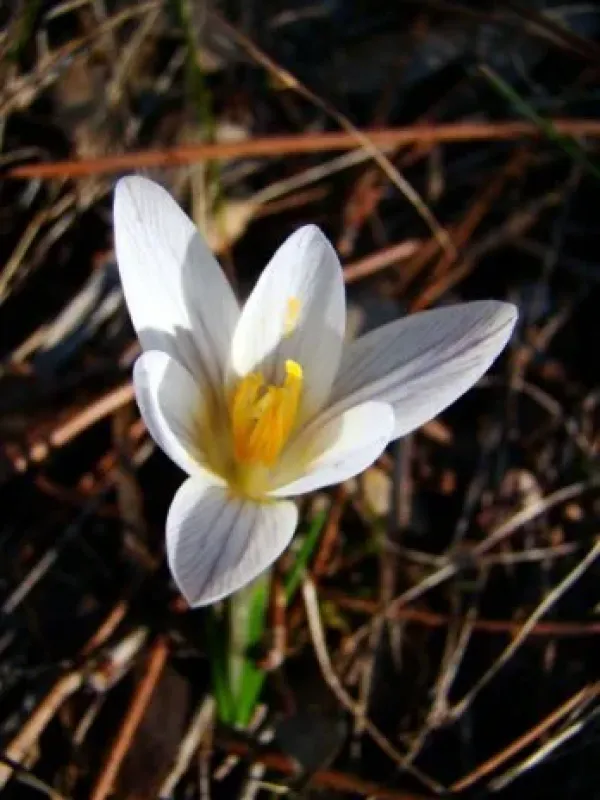
Description
Sowing dates
Planting of Crocus nevadensis is primarily carried out in the autumn season, when soil temperatures drop to 10–12 degrees Celsius. This is critical for full root development before the onset of cold weather.
The optimal time for planting in temperate climates is September or early October. Delaying planting can lead to poor root system development and reduced winter hardiness of the plant.
The bulbs should be placed at a depth equal to three times the height of the bulb. The distance between specimens in mass plantings should be at least 5–7 centimeters to ensure sufficient space for nutrient uptake.
It is important to select areas where snowmelt does not accumulate in spring to avoid bulb rot. The soil must be loose and prepared in advance with the addition of drainage materials.
In regions with harsh winters, additional mulching with peat or dry leaves is recommended. This helps to cushion temperature fluctuations in the topsoil layer.
Growing requirements
Crocus nevadensis belongs to the Iridaceae family and is an endemic species from Spain, primarily found growing in the mountain ranges of the Sierra Nevada.
For successful growth, the crop requires well-lit areas. The plant is extremely sensitive to shading, which triggers the elongation of flower stems and general weakening of the bulbs.
Soil preferences include light, well-drained substrates with a neutral or slightly alkaline pH. Heavy clay soils require mandatory incorporation of sand or fine gravel to improve aeration.
Climatic requirements are determined by the species' mountainous origin: it tolerates low winter temperatures well but requires a period of dry dormancy in summer to form flower buds.
The plant has high drought tolerance, attributed to its evolutionary adaptation to high-altitude conditions; however, it requires moderate watering during the active growing season.
Main diseases and pests
The main threat to crocuses is fungal diseases that develop in high soil moisture conditions. Among these, various forms of basal rot and penicillium rot are the most dangerous.
Viral diseases can significantly reduce the ornamental value of the plant. Insect pests often act as vectors for these infections, making integrated pest management a priority.
Among pests, rodents like mice and voles cause the most damage by feeding on succulent bulbs. Protective measures often include using mesh planting baskets or ultrasonic repellents.
Wireworms and cockchafer larvae may also damage the roots and basal plate. Preventive soil treatment with authorized insecticides before planting is highly recommended.
- Proper crop rotation and avoiding waterlogging are the primary defenses against disease.
- Regular inspection of bulbs before planting for spots or mechanical damage is essential.
Harvesting
Harvesting of the bulbs is conducted after the above-ground parts of the plant have completely withered. This typically occurs in late June or July, when the crocus enters deep dormancy.
The bulbs are carefully lifted, cleaned of soil debris, and removed of old, dry scales. It is crucial to perform these tasks in dry weather to prevent infection of the planting stock.
After lifting, the bulbs are dried in the shade in a well-ventilated area at a temperature of approximately 20–22 degrees Celsius for several weeks.
Storage should take place in a dry, cool, and well-ventilated location. It is important to avoid rapid temperature fluctuations and direct sunlight exposure on the stored bulbs.
Dividing the bulb clumps every 3–4 years is recommended to prevent overcrowding. This process not only facilitates propagation but also improves the quality of blooms in subsequent seasons.