
Neapolitan crocus
Crocus neapolitanus
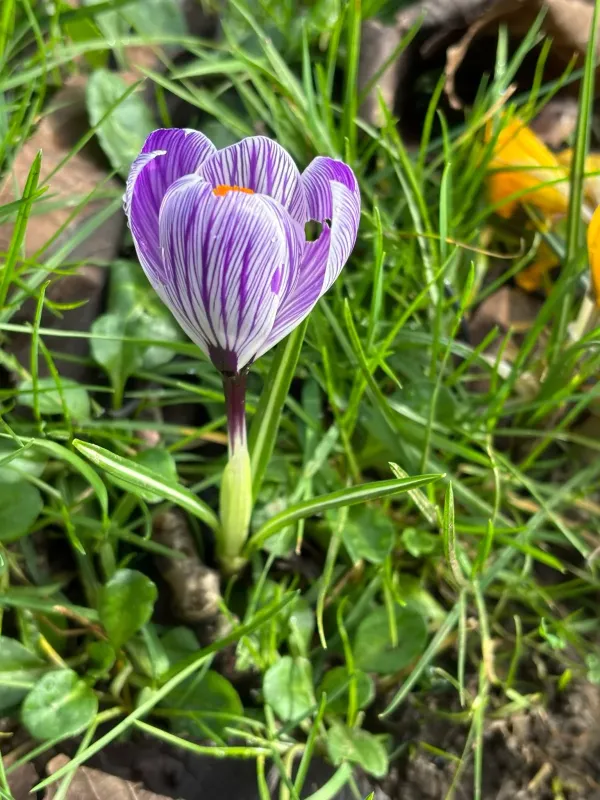
Description
Sowing dates
Neapolitan crocus (Crocus neapolitanus) belongs to the Iridaceae family and is a popular bulbous plant cultivated for its early spring blooms. The optimal time for planting is during the late summer or early autumn, ensuring the bulbs establish roots before the winter soil freeze.
Bulbs should be planted at a depth of 8 to 10 centimeters, ensuring that the soil medium is sufficiently loose to allow for rapid root development. Proper planting depth is crucial to protect the bulb from frost damage in colder climates.
Spacing between bulbs should typically be around 7 to 10 centimeters, which allows for sufficient air circulation and nutrient access, preventing competition between the individual plants during the active growing season.
In regions with harsh winters, applying a layer of organic mulch after planting is highly recommended. This practice provides thermal insulation and prevents the soil from heaving, which can expose bulbs to lethal temperature fluctuations.
Container cultivation is a viable alternative for this species. When using pots, ensure the use of a well-draining potting mix and monitor the moisture levels closely to avoid the saturation that often leads to bulb rot.
Growing requirements
This species thrives in well-lit locations with well-drained, fertile soil rich in organic matter. Soil moisture management is the most critical factor; the plant absolutely requires a site that does not retain stagnant water during the dormant phase.
The ideal soil pH for Neapolitan crocus is neutral to slightly alkaline. Gardeners working with acidic soils should incorporate lime or dolomite to adjust the pH level, as this significantly improves bulb vigor and flowering performance.
While the plant is relatively hardy, it performs best in full sun. While it can tolerate partial shade, insufficient light will lead to elongated stems and a reduction in the bulb's ability to produce offsets for future multiplication.
Routine maintenance includes keeping the planting area free of aggressive weeds that compete for sunlight and nutrients, especially in the early weeks of spring when the crocus foliage begins to emerge.
Fertilization with a balanced, slow-release bulb fertilizer can be beneficial when applied during the initial stages of foliage growth, supporting the plant's nutritional requirements for the duration of its short cycle.
Main diseases and pests
Crocus neapolitanus is susceptible to various fungal pathogens, with Botrytis rot and Penicillium mold being the most significant concerns when the bulbs are stored in poor conditions or planted in heavy, waterlogged soil.
Pest pressure from rodents, such as voles, is a common threat in many garden settings. These mammals often consume the bulbs entirely, necessitating the use of wire baskets or protective barriers if such wildlife is active in the area.
Insects like wireworms and various fly larvae can inflict damage on the bulb base, creating entry points for secondary bacterial infections. Proactive monitoring and the use of insect-repellent soil treatments can mitigate this risk.
Preventative cultural practices are the best defense against disease; this includes rotating the planting site every few years and ensuring that only firm, disease-free bulbs are selected for planting at the start of the season.
If fungal infection is observed, removing and destroying affected plants immediately is essential. Reducing overall soil moisture and improving drainage are necessary steps to halt the spread of the pathogen to neighboring healthy bulbs.