
Moab crocus
Crocus moabiticus
Description
Growing requirements
The Moab crocus (Crocus moabiticus) is a perennial bulbous plant belonging to the Iridaceae family. Native to the mountainous regions of Jordan, it is a rare species adapted to the harsh conditions of its limited natural range.
This species thrives in rocky terrains and well-drained, limestone-based soils. In cultivation, it is essential to replicate these conditions by ensuring excellent soil drainage to prevent the bulb from rotting during its dormant summer phase.
The plant requires a specific climatic regime characterized by active growth during the cool, wet winter and complete dormancy during the hot, dry summer months. Proper moisture management is the most critical factor for success.
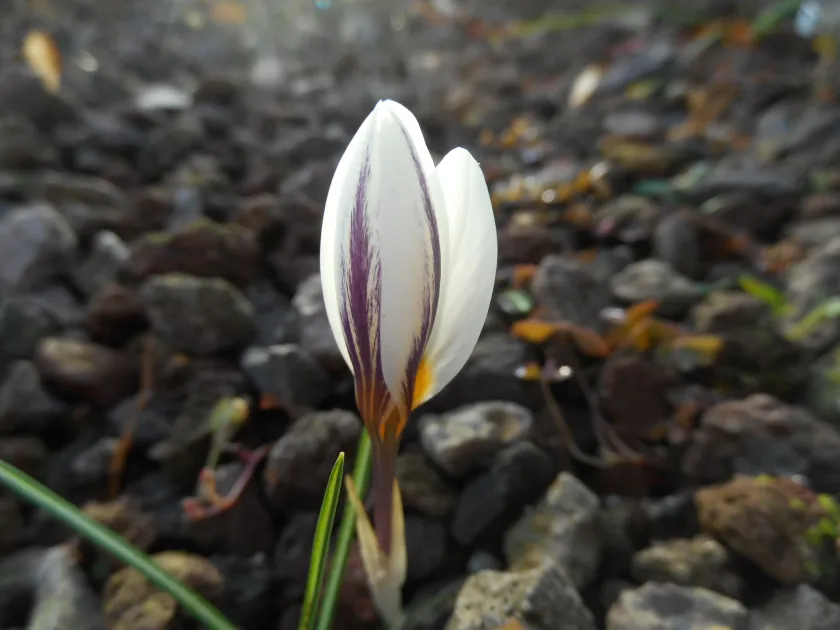
Botanically, it features narrow foliage and delicate flowers ranging from pale blue to light purple. The plant is highly sensitive to the physical properties of the soil, preferring loose, nutrient-poor, yet mineral-rich substrates.
Due to its rarity, Crocus moabiticus is primarily grown by enthusiasts and in botanical gardens. Its cultivation requires careful attention to the environmental microclimate and avoidance of excessive organic fertilizers.
Main diseases and pests
Fungal pathogens represent the most significant threat to the Moab crocus. Diseases such as Fusarium wilt and grey mold (Botrytis) can quickly destroy the bulbs if the soil remains excessively moist or poorly ventilated.
Soil-dwelling pests, including wireworms and beetle larvae, feed on the bulb tissues, causing physical damage that often leads to secondary infections. Systematic soil preparation and treatment are necessary safeguards.
Small rodents can pose a severe threat, as they frequently consume the bulbs during the dormant season. Protecting the planting area with hardware cloth or wire mesh is a recommended practice in field conditions.
Environmental stress resulting from improper light exposure or temperature fluctuations during the growth cycle can weaken the plant, making it more susceptible to common secondary infections.
To ensure healthy growth, one should always start with disease-free bulbs, maintain strict sanitation, and perform preventive fungicide treatments as part of the annual agricultural maintenance cycle.