
Crocus minimus
Crocus minimus
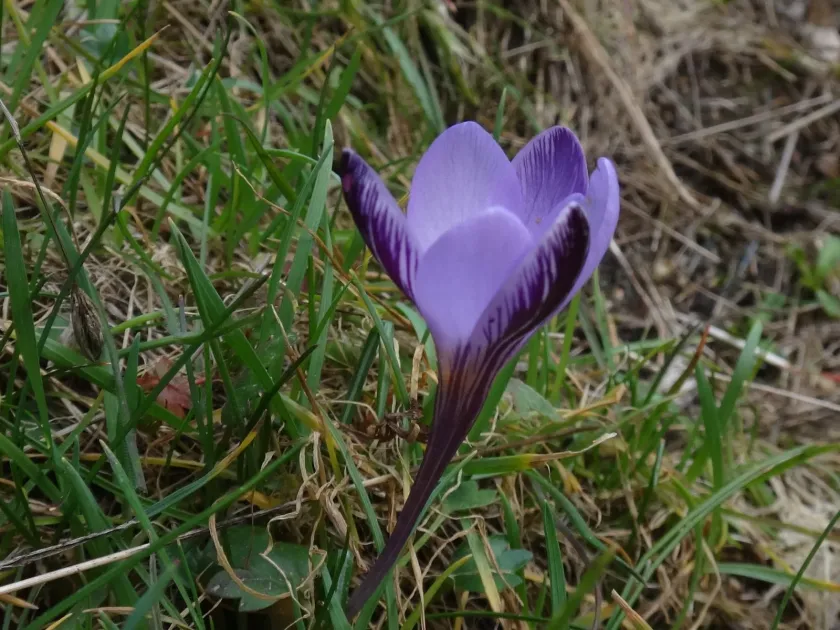
Description
Sowing dates
Crocus minimus, a member of the Iridaceae family, is propagated primarily through vegetative division of its corms. The optimal time for planting is during late August or September, as the decrease in soil temperature encourages successful root development before the onset of winter frost.
When propagating via seeds, sowing should be performed immediately after collection in prepared seedbeds or containers. Cold stratification is essential for successful germination, as the seeds require a period of low temperatures to mimic natural winter dormancy conditions.
The planting depth for the corms should range between 5 and 8 centimeters, depending on the soil structure. In light, sandy soils, it is recommended to plant slightly deeper to provide better protection against temperature fluctuations in the upper soil layers.
Spacing between plants should be at least 10 centimeters to ensure proper air circulation. Overcrowding in planting rows often leads to competition for nutrients and creates a microclimate conducive to the development of fungal infections.
Once planted, it is advisable to apply a layer of organic mulch to the site. This practice helps maintain a stable moisture level in the root zone and provides a barrier against early spring frosts that can damage emerging shoots.
Growing requirements
Crocus minimus is a light-loving species, requiring sunny locations for optimal growth and development. While it can tolerate light shade, excessive darkness results in elongated stems and a reduction in the color intensity of the petals.
The crop prefers light, well-draining soils with a neutral or slightly acidic pH balance. Water stagnation is detrimental, as it causes rapid decay of the corm's basal plate and leads to the death of the entire plant during its dormant phase.
During the growing season, moderate irrigation is required, particularly during the period of active leaf growth and bud formation. After the flowering phase and subsequent yellowing of the foliage, watering should be gradually reduced as the plant enters dormancy.
Soil preparation involves enriching the substrate with organic fertilizers, such as well-rotted compost, well in advance of planting. The application of fresh manure is strictly prohibited, as it can cause chemical burns to the roots and stimulate pathogenic microflora.
The species is well-adapted to the moderate winters of its Mediterranean range. However, in regions with harsher climates, it is necessary to provide light winter protection using pine branches or horticultural fleece to prevent deep soil freezing.
Main diseases and pests
Rodent damage, primarily from mice and voles, represents a significant threat to corm populations. These animals often feed on the nutrient-rich storage organs, resulting in substantial loss of planting material and reduced flower density across the field.
Infectious diseases such as gray mold and Fusarium wilt are frequently encountered in cultivation. These pathogens primarily target the basal plate and the outer scales of the corm, especially under conditions of improper irrigation and poor soil aeration.
Viral infections may occur, manifesting as color breaking in petals and leaf distortion. Since there are no effective treatments for these viral pathogens, infected individuals should be identified and removed from the plot immediately to prevent further transmission.
Thrips and aphids are the most common pests that attack the above-ground parts of the plant. By feeding on the cell sap of leaves and petals, they cause wilting and premature decline, significantly weakening the plant before it transitions into its dormant state.
To mitigate the risks of pests and diseases, regular crop inspection and strict adherence to crop rotation are essential. It is recommended to avoid planting crocuses in the same location for more than four or five years to prevent the accumulation of soil-borne pathogens.