
Maly's crocus
Crocus malyi
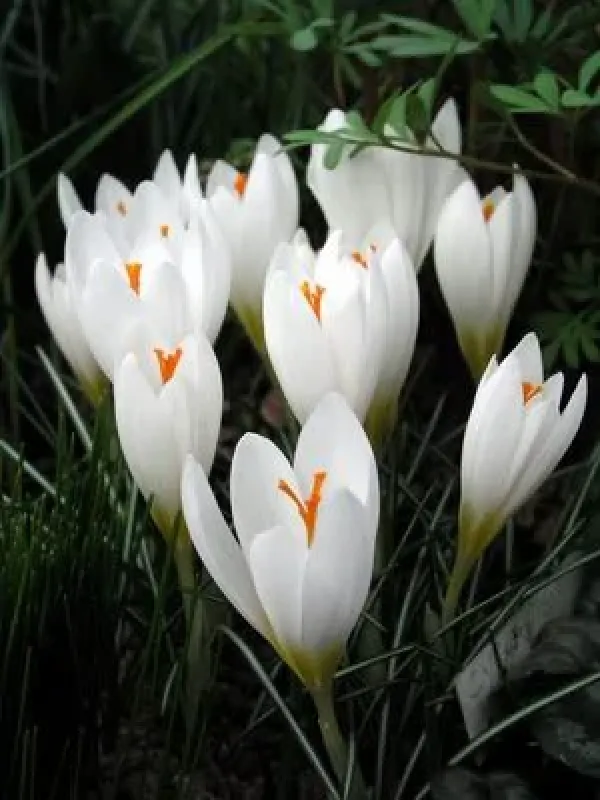
Description
Growing requirements
Maly's crocus (Crocus malyi) belongs to the Iridaceae family and is a perennial cormous plant native to the rocky regions of the Balkan Peninsula. It is highly valued for its pure white flowers and early spring blooming period.
The primary horticultural requirement for this species is a well-draining, gritty soil mix. Because the plant originates from mountain slopes, it cannot tolerate waterlogging, which rapidly leads to the decay of the corms.
Regarding climate, it thrives in temperate regions with distinct seasonal changes. It requires full sun exposure during the active growing phase but prefers dry conditions during its summer dormancy period.
The agrotechnical maintenance includes site preparation with integrated mineral drainage and minimal fertilizing, as excessive nutrients often lead to lush leaf growth at the expense of flower production.
Economically, this species is cultivated primarily for specialized horticultural use and rock gardens, representing a significant plant for enthusiasts interested in rare botanical bulbs.
Main diseases and pests
The main pathological threat to Crocus malyi is fungal rot, particularly Fusarium oxysporum, which is exacerbated by poor soil aeration and excessive rainfall during the dormant season.
Pest management is focused on preventing damage from rodents, such as voles, which frequently consume bulbs, necessitating the use of wire meshes or protective underground containers.
Slugs and snails can cause significant aesthetic damage to the foliage and blooms during the spring, requiring manual removal or safe, molluscicide-free barrier methods.
Strict sanitation during the planting process, including the inspection of each corm for lesions or soft spots, is essential to ensure a healthy start for the new crop.
Integrated pest management strategies should prioritize cultural practices over chemical interventions to maintain the natural balance and longevity of the bulb beds.