
Kotschy's crocus
Crocus kotschyanus
Description
Sowing dates
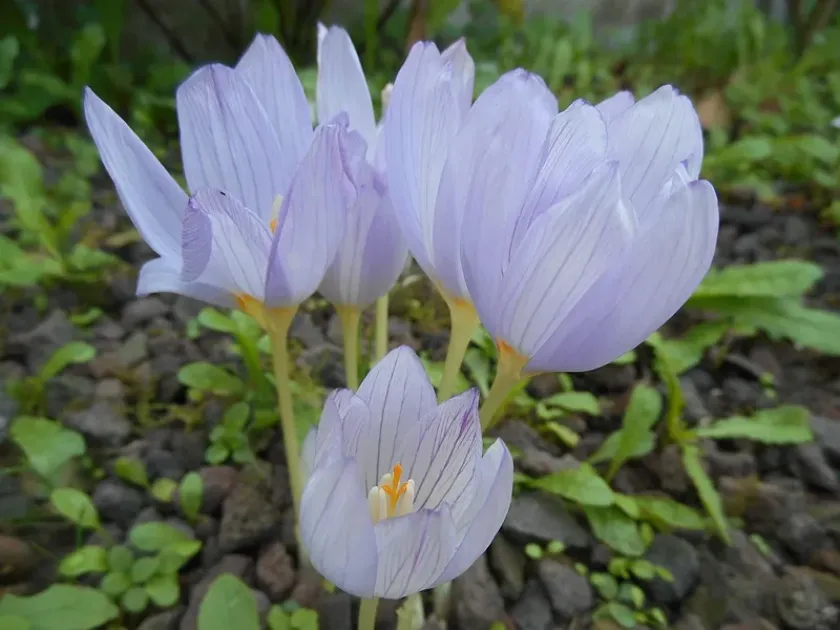
Kotschy's crocus (Crocus kotschyanus) is a member of the Iridaceae family. This perennial bulbous plant is characterized by its distinct autumn blooming cycle, setting it apart from spring-blooming varieties.
The optimal planting time for corms is late summer or early autumn, typically from late August through September. Planting must occur at least a month before the ground freezes to allow for proper rooting.
Corms should be planted at a depth of 5 to 10 centimeters. In sandy, well-draining soils, planting slightly deeper provides better protection against temperature fluctuations during winter.
Spacing should be managed to ensure adequate airflow, with a recommended distance of 10-15 centimeters between corms. This density supports healthy clumping over several years.
While the plants can remain in the same location for multiple years, it is beneficial to dig up and divide the clusters every 4-5 years once flower production begins to decline.
Growing requirements
Native to Turkey, Iran, and the Caucasus, this species thrives in rocky, well-drained slopes. It requires full sun or partial shade to ensure vigorous growth and strong floral development.
The soil must be gritty and loose to prevent water stagnation. If the garden soil is heavy or prone to waterlogging, amending it with sand or fine gravel is essential for long-term success.
Kotschy's crocus prefers neutral to slightly alkaline soil conditions. If the site is acidic, the application of agricultural lime or wood ash can help reach the ideal pH balance for the plant.
Watering should be balanced. While the plant needs moisture during its growth phase, it requires a dry dormant period in the summer to prevent the corms from rotting in the soil.
Mulching with pine needles or light organic material can protect the soil surface, though it should be applied sparsely to avoid trapping excessive moisture around the crown.
Main diseases and pests
Fungal pathogens such as Fusarium and Penicillium are the most common threats, typically emerging when the soil stays too wet for extended periods during the winter dormancy.
Small rodents, particularly field mice and voles, are notorious for consuming the nutritious corms. Installing wire mesh below the planting level is a highly effective preventative strategy.
Thrips may infest the foliage during the growing season, causing stippling or distorted growth. Using systemic insecticides or insecticidal soaps can manage these populations effectively.
Slugs and snails may target the emerging autumn shoots. Regular monitoring and the use of physical barriers or organic baits around the perimeter can mitigate potential damage.
Routine inspection of the planting site, combined with ensuring excellent soil drainage, remains the best defense against both common pests and soil-borne diseases.