
Winter crocus
Crocus hyemalis
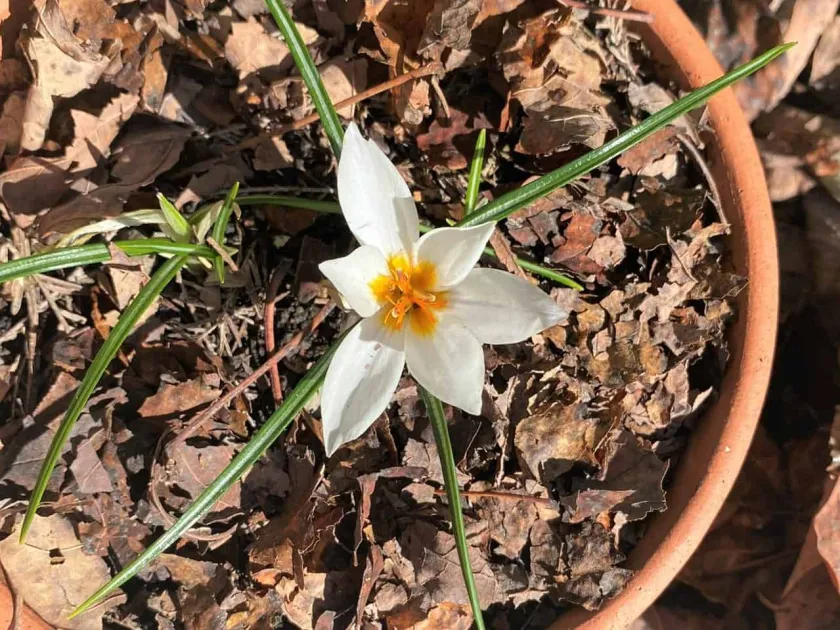
Description
Sowing dates
Winter crocus (Crocus hyemalis) is a perennial bulbous plant belonging to the Iridaceae family. In agricultural practices, the timing of sowing and planting is essential to ensure the plant's successful establishment before the onset of dormancy.
The optimal planting time for the corms is late summer to early autumn, specifically from late August to mid-September. This allows the roots to develop sufficiently in the cooling soil, setting the stage for early spring emergence.
When planting, corms should be placed at a depth of approximately 5 to 10 centimeters, depending on the soil texture. Proper depth is crucial for regulating the moisture uptake and preventing the corms from heaving out of the ground due to frost.
For commercial or garden planting, maintain a spacing of about 8 to 10 centimeters between individual corms. This ensures adequate airflow and light penetration, which are necessary to reduce the humidity around the foliage and minimize disease risk.
Applying a layer of organic mulch after planting is highly recommended. This practice buffers the soil temperature, prevents premature sprouting during mid-winter thaws, and retains consistent soil moisture levels during the early growth phase.
Growing requirements
Crocus hyemalis thrives in environments that replicate its native Middle Eastern range. It prefers sites with full sun exposure and excellent drainage, as it is highly susceptible to rot in stagnant or overly damp conditions.
The ideal soil type for this crop is gritty, light, and fertile, with a neutral to slightly alkaline pH. Heavy clay soils must be amended with organic matter and sand to improve drainage and aeration, preventing water from pooling around the corm.
Regarding moisture, the plant requires regular irrigation during its growing season, which spans from late autumn to spring. However, once the foliage begins to yellow, all watering must cease to allow the corm to enter a proper dry summer dormancy.
The climate requirements include a cool, Mediterranean-style winter. While the species is frost-tolerant, it performs best in regions where extreme sub-zero temperatures are accompanied by a snow cover that protects the soil from deep freezing.
Site selection should also focus on air circulation. Planting in sheltered but sunny locations prevents cold wind damage while ensuring that excess moisture on the foliage evaporates quickly after rain or dew.
Main diseases and pests
Diseases affecting winter crocus are primarily fungal, often stemming from poor soil management. Botrytis blight and various forms of soft rot can destroy the corms rapidly if the soil remains waterlogged for extended periods.
Fusarium oxysporum is a notorious threat that affects the basal plate of the corm. Infected plants usually show stunted growth and premature yellowing, necessitating the immediate removal and destruction of the affected material to prevent spread.
Pests such as voles and mice pose a significant risk, as they find the starch-rich corms a desirable food source, especially in winter. Using physical barriers, such as mesh cages at the time of planting, is a common protective measure.
Insects like aphids and thrips can cause damage by feeding on young leaves and flowers. While rarely fatal, severe infestations can significantly reduce the vigor of the plant and its ability to store energy for the next season.
Effective management strategies include crop rotation, the use of certified disease-free corms, and pre-planting fungicide treatments. Regular monitoring during the active growth period allows for early intervention and ensures a healthy crop yield.