
Crocus hybrids
Crocus hybrids
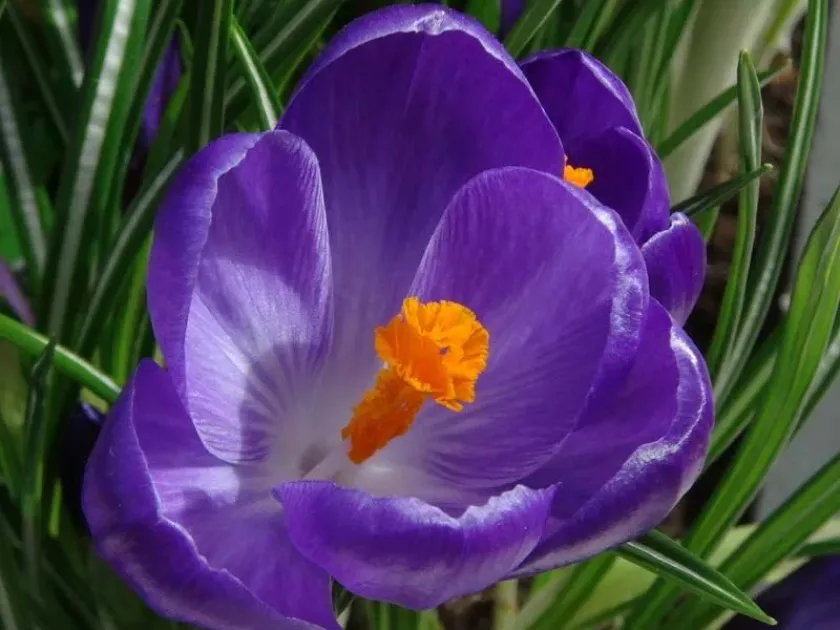
Description
Sowing dates
The planting of Crocus hybrid corms typically takes place in late summer or early autumn. Timing is crucial to allow the root system to establish itself in the ground before the arrival of the first hard frosts.
The recommended planting depth varies depending on the soil structure, generally ranging from 5 to 10 centimeters. Proper depth is essential for protecting the corms from temperature fluctuations during the dormant season.
When planting, maintain a distance of approximately 7 to 10 centimeters between individual corms. This spacing ensures proper ventilation and nutrient access for the plants as they grow and multiply over several years.
Crocuses thrive in sunny, open locations with minimal shade from trees or shrubs. Exposure to direct sunlight is necessary to encourage healthy flowering and to build up energy reserves for the following season.
After planting, applying a layer of mulch helps regulate soil moisture and temperature. It is advisable to divide and replant overcrowded clusters every three to five years to maintain the vigor and health of the floral display.
Growing requirements
Crocus hybrids belong to the Iridaceae family, a group of bulbous plants prized for their early blooming characteristics. These cultivars are specially bred for ornamental purposes, offering a wide range of colors and bloom times.
These plants require well-drained, fertile soil with a neutral pH level. They are highly sensitive to waterlogged conditions, which can lead to root rot and corm decay within a short period.
Crocus hybrids generally exhibit excellent cold hardiness, making them suitable for cultivation in various temperate climates. They do not require special winter protection, provided the ground does not suffer from extreme water saturation.
Regular but moderate watering is necessary during the active spring growth phase. However, once the foliage begins to wither and the plant enters dormancy, it is important to keep the soil relatively dry.
Fertilization with balanced mineral fertilizers should be performed twice a year: early in the season to support leaf emergence and just before the buds develop to encourage robust, long-lasting flowers.
Main diseases and pests
Fungal diseases, such as botrytis and various types of corm rot, are the most frequent health issues for Crocus hybrids. These usually manifest in overly wet soils or environments with poor air circulation.
Pests can also pose a significant challenge, with small mammals like mice and voles often feeding on the nutrient-rich corms. Soil-borne insects, such as wireworms, can also create tunnels that predispose the corm to bacterial infection.
Effective management begins with strict inspection of planting material. Only healthy, firm, and blemish-free corms should be selected for planting, often treated with a fungicide beforehand to inhibit disease development.
For pest control, gardeners often employ physical barriers like mesh baskets when planting to prevent rodent access. Soil insecticides may be used if subterranean insect populations threaten to compromise the crop.
Good cultural practices, including site rotation and the avoidance of high-nitrogen organic fertilizers during the dormant stage, significantly reduce the incidence of disease and keep the corm collection healthy over time.