
Hermon crocus
Crocus hermoneus
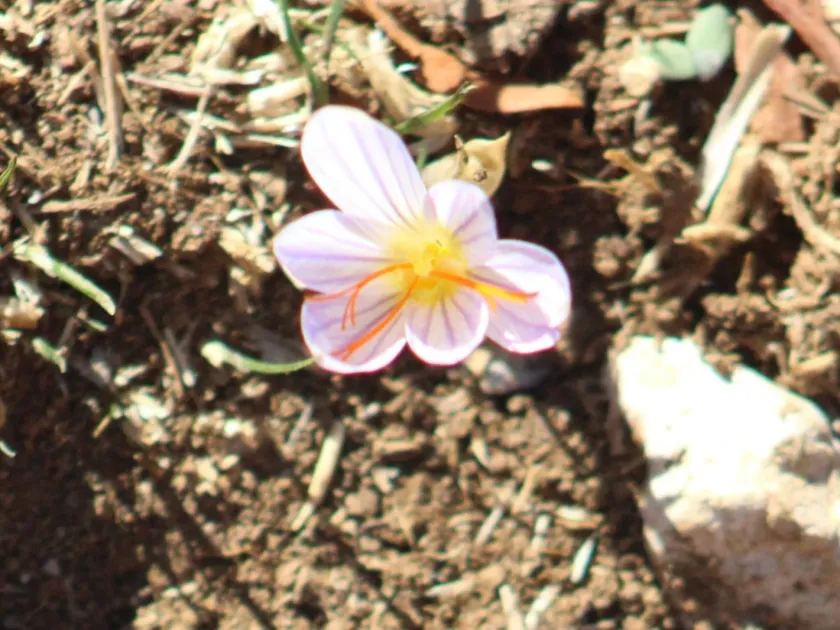
Description
Growing requirements
The Hermon crocus (Crocus hermoneus) is a perennial bulbous plant belonging to the Iridaceae family. This species is native to the rocky slopes of the Mount Hermon region, where it has evolved to thrive in high-altitude, limestone-rich environments.
Botanically, this plant is characterized by small but robust corms and ephemeral foliage that typically emerges in early spring. It is a highly specialized species that requires specific environmental triggers to initiate its flowering phase.
Cultivation of Crocus hermoneus requires a deep understanding of its natural habitat. The plant demands excellent drainage, as any waterlogging will lead to the rapid decay of the corm. Incorporating grit or coarse sand into the growing medium is a standard agronomic practice.
Exposure to full sun is critical for the plant to complete its growth cycle effectively. It prefers open, well-ventilated locations that prevent the buildup of humidity, which can lead to fungal infections on the leaves and stems.
The soil pH should be neutral to slightly alkaline. In garden settings, the soil should be kept relatively dry during the summer dormancy period, as the bulbs require a dry rest to prepare for the subsequent growing season.
Main diseases and pests
The most common threat to Hermon crocus is the group of pathogens causing bulb rot, primarily Fusarium and Penicillium species. These fungi thrive in cool, damp, and stagnant soil conditions.
Small mammals, particularly voles and mice, pose a severe risk to the corms. They frequently consume the starch-rich tissue underground, which can destroy an entire patch of the species during the winter months.
Viral infections can also affect these crocuses, leading to distinct symptoms such as flower color breaking or stunted growth. Since there is no cure, rigorous sanitation and removal of affected plants are necessary to protect healthy bulbs.
Sucking insects, such as aphids and thrips, can cause damage to the photosynthetic tissue. While generally not fatal, severe infestations can significantly weaken the plant's ability to store energy for the next year.
Regular maintenance, including proper bulb spacing and periodic replacement of the top layer of substrate, helps maintain the health and vigor of Crocus hermoneus populations.